
 Established 2016
A muddy lawn can make the whole garden feel difficult to use. Instead of a healthy green space, you may be left with soft ground, exposed soil, worn areas, footprints, paw marks and patches that never seem to dry properly.
This often becomes more noticeable in autumn and winter, when rain is heavier and the lawn has less time to recover. But for some homeowners, the problem does not fully disappear when the weather improves. The same areas stay thin, weak or bare, and as soon as the rain returns, the lawn quickly turns back into mud.
It is easy to think the problem is simply wet weather. In many cases, rain is part of it. But a muddy lawn usually points to something deeper: weak grass coverage, compacted soil, poor drainage, heavy use, shade, or a lawn that has lost the strength to protect the soil underneath.
A healthy lawn should have enough grass density to cover and protect the surface. When that coverage disappears, the soil becomes exposed. Once exposed soil becomes wet and is walked on, played on or used by pets, it can quickly turn muddy.
The key is not just to cover the mud. The real solution is to understand why the grass has disappeared and help the lawn recover properly.
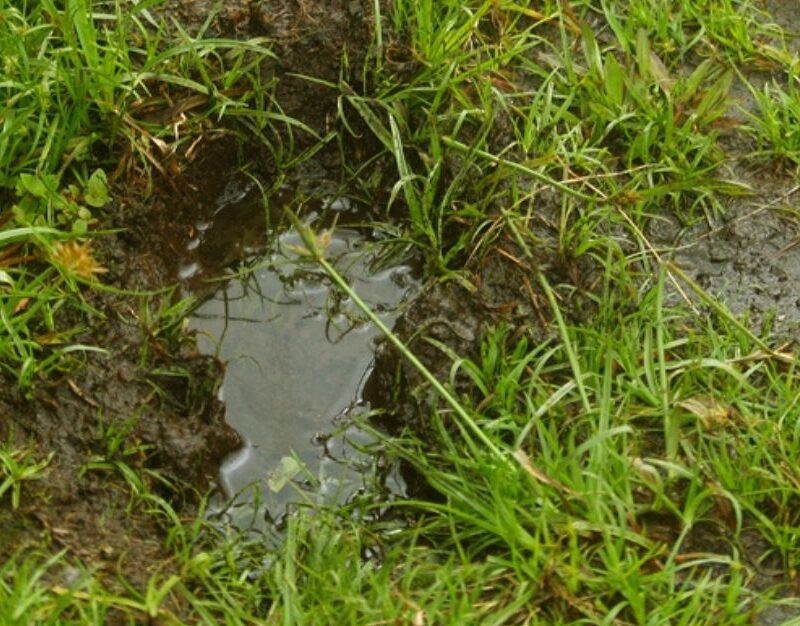
Why Does a Lawn Become Muddy?
A lawn becomes muddy when the grass is no longer thick enough to protect the soil underneath. Once the soil is exposed, wet weather and regular use quickly make the problem worse.
One of the most common causes is heavy foot traffic. If people walk across the same route every day, or children regularly play in one area, the grass can become worn down. Over time, the soil underneath becomes compacted, making it harder for new grass to grow back.
Pets can also contribute to muddy lawns. Dogs often follow the same paths, run in the same areas, wait by gates or use particular spots in the garden. This repeated use can thin the grass and press the soil down. Once the grass is weakened, wet weather can quickly turn those worn areas into mud.
Poor drainage is another major cause. If water cannot move through the soil properly, the lawn stays wet for longer. This makes the surface soft and more easily damaged. The more the wet lawn is used, the more the soil becomes disturbed and compacted.
Shade can also play a part. Grass in shaded areas often grows more slowly and stays damp for longer. If the lawn is already struggling for light, it may not recover quickly from wear. This is why muddy areas often appear under trees, beside fences, near hedges or in parts of the garden that receive less sunlight.
In many lawns, mud is caused by a combination of these issues. The grass becomes weak, the soil becomes compacted, water lingers on the surface, and regular use prevents the lawn from recovering.
Why Muddy Patches Keep Coming Back
Many homeowners try to fix muddy patches by adding grass seed, laying extra soil or waiting for spring. These can help in some situations, but if the underlying problem is not dealt with, the mud often returns.
This is because the issue is not just the visible mud. It is the condition that allowed the mud to appear in the first place.
If the soil is compacted, new seed may struggle to establish. The roots cannot grow deeply, water cannot drain properly, and the ground remains hard when dry but soft and sticky when wet.
If the area receives heavy use, young grass may be damaged before it has had time to grow strong. Newly seeded grass is delicate, and if it is walked on too soon, it can fail before it properly establishes.
If the lawn is shaded or poorly drained, the grass may grow slowly and remain weak. Even when the surface looks better for a short time, the same area can thin again once wet weather or regular use returns.
This is why muddy lawns often follow a cycle. The grass thins, the soil is exposed, rain turns the soil to mud, foot traffic compacts it further, and the grass struggles even more.
Breaking that cycle means improving the lawn conditions, not just covering the muddy area.
How Mud Leads to Bare Patches, Moss and Weak Grass
A muddy lawn rarely stays as just mud. Once the soil is exposed and the grass is weak, other lawn problems often follow.
Bare patches are one of the most obvious signs. These are areas where the grass has thinned so much that the soil is visible. Once a lawn has bare areas, it becomes more vulnerable to weather, wear and weeds.
Moss can also start to appear, especially in damp or shaded parts of the lawn. Moss tends to take advantage of weak grass and wet conditions. If the lawn stays muddy or waterlogged for long periods, moss can spread into the open spaces where grass should be growing.
Weeds may also move in. Exposed soil gives weeds an opportunity to establish because there is less dense grass to compete with them.
Over time, the lawn can lose more and more coverage. What started as one muddy patch can become a wider problem, with thin grass, uneven growth, poor drainage and areas that never seem to recover properly.
This is why muddy lawns should be treated as a lawn health issue. The mud is the symptom. The real problem is usually that the lawn is not strong enough, dense enough or well-drained enough to cope with normal use.
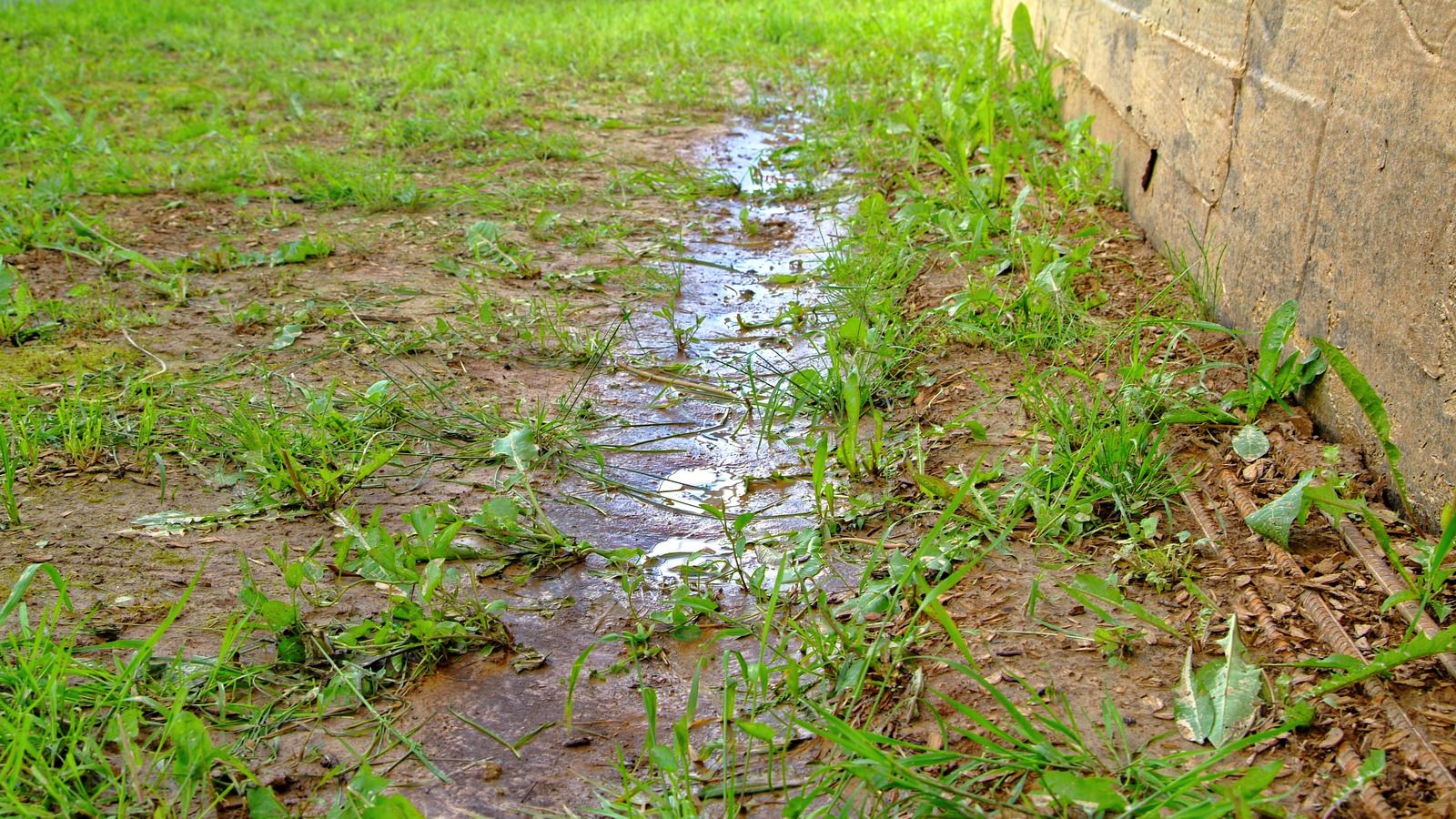
Why DIY Repairs Often Give Poor Results
It is understandable to want a quick fix for a muddy lawn. Mud is messy, inconvenient and frustrating, especially when it is being brought into the house by children, pets or shoes.
But many quick fixes only give short-term improvement.
Scattering seed over a muddy patch often does not work well. Seed needs good contact with prepared soil, enough warmth, the right moisture level and time to establish. If the seed is thrown onto wet, compacted mud, it may wash away, rot, dry out later, or be disturbed before it can grow.
Adding more soil over the top may hide the mud temporarily, but it does not solve poor drainage or compaction underneath. The new layer can become muddy again if the water still has nowhere to go.
Feeding the lawn can support stronger grass, but it will not restore a muddy patch by itself if the soil is compacted or bare. Feed works best when there is healthy grass ready to use it.
Laying turf over a problem area can also fail if the ground beneath has not been prepared properly. If the soil remains compacted, wet or unstable, the new turf may struggle to root, thin out or become muddy again.
The right repair starts with preparation. The lawn needs the right conditions for grass to grow back strongly.
The Right Way to Restore a Muddy Lawn
The first step is to understand why the lawn has become muddy. Is it caused by heavy use, poor drainage, compaction, shade, pets, weak grass growth, or a combination of these?
Once the cause is understood, the lawn can be treated properly.
If the soil is compacted, aeration can help. Aeration opens up the soil so air, water and nutrients can move more freely into the rootzone. This helps relieve pressure in the ground and gives grass roots better conditions to grow.
If the lawn has become thin or bare, overseeding may be needed. Overseeding helps restore grass coverage and fill in weak areas. But the seed must be applied to prepared ground, not simply scattered onto mud. Good seed-to-soil contact is important, and the area needs careful aftercare while the new grass establishes.
If drainage is poor, the lawn may need help improving how water moves through the soil. Aeration can support this in many cases, especially where compaction is part of the problem. If the issue is more serious, further drainage advice may be needed.
If moss is present, it may need to be treated as part of the recovery plan. But moss control should not be treated as a standalone fix. The lawn also needs to become thicker and healthier so moss has less opportunity to return.
In high-use areas, the lawn may also need protection while it recovers. New grass needs time. If the same muddy route is walked across every day, or if dogs continue to run over the newly seeded area, recovery will be slower and results may be weaker.
Restoring a muddy lawn is not always instant, but with the right preparation and aftercare, the lawn can become much stronger.
Why Professional Lawn Treatment Makes a Difference
A muddy lawn can be difficult to assess because several problems may be happening at once. The visible mud may be caused by compacted soil, poor drainage, heavy use, shade, weak grass, moss or waterlogging.
A professional lawn survey helps identify what is really causing the problem. Instead of guessing, the lawn can be looked at properly so the right treatment plan can be recommended.
Professional aeration can help relieve compacted soil and improve growing conditions. Overseeding can help restore grass density where the lawn has become thin or bare. Seasonal treatments can support stronger growth, helping the lawn become healthier and more resilient over time.
Timing is also important. Working on a lawn when it is too wet can sometimes make the problem worse. Wet soil compacts more easily, so heavy use or the wrong treatment at the wrong time may cause further damage. A professional approach considers the condition of the lawn and chooses the right time to carry out the work.
The goal is not just to make the muddy patch look better for a few weeks. The goal is to help the lawn recover properly, strengthen the grass and improve the soil conditions underneath.
How to Stop a Muddy Lawn Getting Worse
There are a few practical steps that can help reduce further damage.
Try to avoid walking on very wet areas whenever possible. If the lawn is soft underfoot, repeated use can press the soil down and make compaction worse.
If dogs or children use the same route across the lawn, it may help to temporarily guide traffic away from the worst areas while the lawn recovers. This gives new grass a better chance to establish.
Avoid mowing when the lawn is too wet. Cutting wet grass can damage the lawn, leave ruts and create an uneven finish. It is better to wait until the ground is firm enough and the grass is dry enough to cut cleanly.
Good mowing, seasonal feeding, aeration where needed and overseeding thin areas can all help build a thicker lawn. A dense lawn is much better at protecting the soil and coping with everyday use.
However, if the same muddy areas keep returning, prevention alone may not be enough. The lawn may need proper treatment to restore the grass and improve the soil underneath.
Take the First Step Towards a Healthier Lawn
If your lawn keeps turning muddy, the problem is likely to be more than wet weather. Mud usually appears when the grass has become too thin to protect the soil, or when the ground underneath is compacted, poorly drained or under too much pressure.
The good news is that many muddy lawns can be improved with the right approach. By identifying the cause, relieving compaction, improving soil conditions and restoring grass coverage with overseeding, the lawn has a much better chance of becoming thicker, stronger and easier to use.
If the same muddy patches keep coming back, a professional lawn survey can help identify what is happening beneath the surface and what your lawn needs next.










 Made with love by: