
 Established 2016
An uneven lawn can make even a well-kept garden feel untidy. Instead of a smooth, level surface, you may notice bumps, dips, soft patches or areas that feel uneven underfoot. This can make mowing more difficult, affect how the lawn looks, and in some cases make the space less practical to use.
In some gardens, the unevenness is subtle at first, only becoming noticeable when cutting the grass or walking across it. In others, the problem is more obvious, with visible low spots, raised areas or sections where water collects.
It is easy to think this is just a surface issue. But in most cases, an uneven lawn is a sign that something underneath is affecting the stability of the ground.
Understanding why the lawn has become uneven is the first step towards restoring it properly.
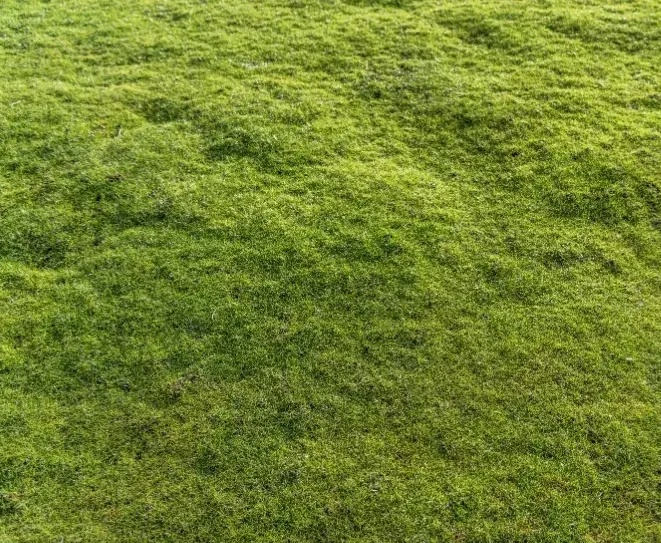
Why lawns become uneven
A lawn becomes uneven when the surface of the soil shifts, settles or wears unevenly over time.
One of the most common causes is soil settlement. This often happens in newer gardens where the ground has not fully stabilised after construction work. Over time, some areas settle more than others, leading to dips and uneven sections.
Poor drainage can also play a role. If certain parts of the lawn hold water, the soil can soften and become unstable. As it dries, it may settle unevenly, creating low spots or dips that gradually become more noticeable.
Compacted soil contributes to unevenness as well. When the ground becomes hard in some areas and softer in others, the surface can lose consistency. Grass may grow differently across these areas, making the unevenness more visible.
Regular wear and traffic is another factor. If people walk the same routes across the lawn, or if pets use certain areas repeatedly, the ground can become worn down. Over time, this can create visible tracks or lower sections.
In some cases, burrowing activity or natural soil movement can disturb the surface. Small mounds, raised patches or disturbed areas can gradually affect the overall level of the lawn.
A build-up of thatch or organic material can also create an uneven feel underfoot. This can make the lawn feel soft or spongy in places, particularly when combined with moisture.
In many lawns, unevenness develops gradually as several of these factors combine. The surface becomes less stable, and the lawn begins to lose its smooth, even finish.
Why uneven lawns keep coming back and why DIY fixes often fail
This is where many homeowners run into problems.
A common approach is to fill low areas with soil or try to level the surface by eye. While this can improve the appearance in the short term, the results often do not last.
The reason is that the underlying cause has not been addressed.
If the soil is still settling, new dips can form over time. If drainage issues remain, certain areas may continue to soften and shift. If the lawn is still being heavily used, worn areas will reappear.
In some cases, adding soil without proper preparation can create further problems. The new material may not bind properly with the existing ground, leading to uneven settling or inconsistent growth.
Simply covering dips without improving the soil underneath can also lead to weak grass in those areas. The lawn may look smoother briefly, but the grass may struggle to establish, leaving the area vulnerable again.
This creates a familiar cycle:
- The lawn is levelled or adjusted
- It looks better for a short time
- The same areas begin to dip or rise again
- The unevenness returns
In some cases, repeated attempts to fix the surface can make the problem more noticeable. The lawn becomes a mix of firm and soft areas, with inconsistent growth across the surface.
The issue is not just the shape of the lawn. It is the condition of the soil beneath it.
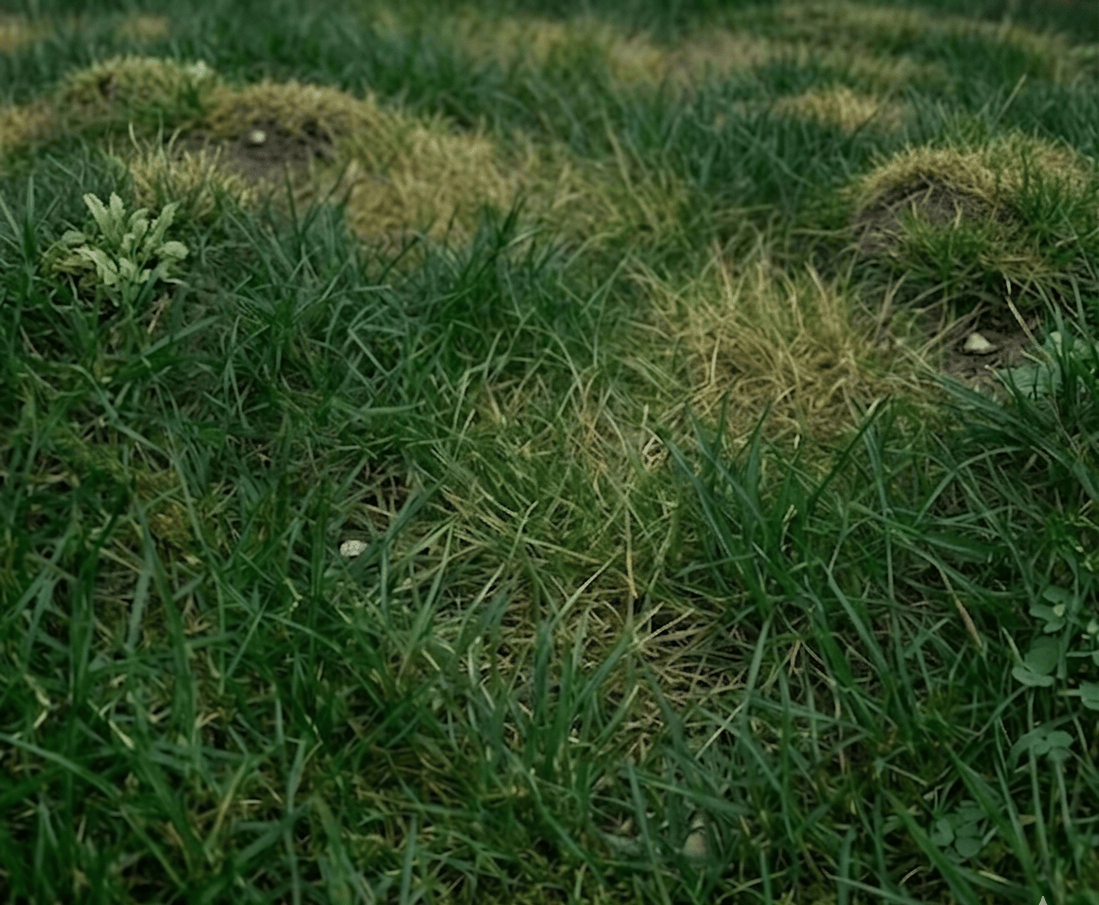
The real solution: restoring a stable, even lawn
To fix an uneven lawn properly, the focus needs to be on both the surface and what is happening underneath.
If the soil is compacted or inconsistent, aeration is often an important first step. Aeration helps relieve pressure in the ground and improves how air and water move through the soil. This creates a more stable base for the lawn to grow on.
For low spots and dips, careful topdressing and levelling can help restore the surface. This involves applying a suitable soil mix and working it into the lawn gradually, rather than adding large amounts all at once. Gradual levelling allows the lawn to adjust more naturally and reduces the risk of further settling.
If the lawn is thin in certain areas, overseeding helps improve coverage. A thicker lawn supports a more even surface by helping to hold the soil together.
Addressing drainage issues is also important. If water is collecting in certain areas, improving how water moves through the soil can prevent further softening and uneven settling.
Where wear is a factor, managing how the lawn is used during recovery can make a difference. Reducing pressure on affected areas allows the grass to establish and stabilise the ground.
The aim is not just to make the lawn look level, but to create a surface that remains stable over time.
Why professional treatment makes a difference
Uneven lawns can be difficult to correct because the visible problem often hides deeper issues.
A lawn that appears bumpy may also be affected by compaction, poor drainage, weak grass coverage or underlying soil movement. Treating only the surface rarely solves the problem fully.
A professional lawn survey helps identify what is happening beneath the surface. Instead of guessing, the lawn can be assessed properly so the right approach can be taken.
Professional aeration improves soil structure and creates a more stable base for the lawn. Levelling work can be carried out correctly, ensuring the surface is restored without causing further issues. Overseeding helps strengthen the lawn so it can support the soil more effectively.
This approach focuses on both the appearance and the underlying condition of the lawn, leading to more reliable, longer-lasting results.
Moving towards a smoother, more even lawn
If your lawn feels uneven or looks bumpy, it is usually a sign that the surface and soil beneath need attention.
The good news is that most uneven lawns can be improved with the right approach. By addressing soil conditions, restoring grass coverage and levelling the surface carefully, the lawn can become smoother and easier to manage.
If the problem keeps returning despite your efforts, it may be time to look beyond surface fixes.
A professional lawn survey can help identify the cause and provide a clear plan to restore a level, healthy lawn that lasts.













 Made with love by: