

 Established 2016
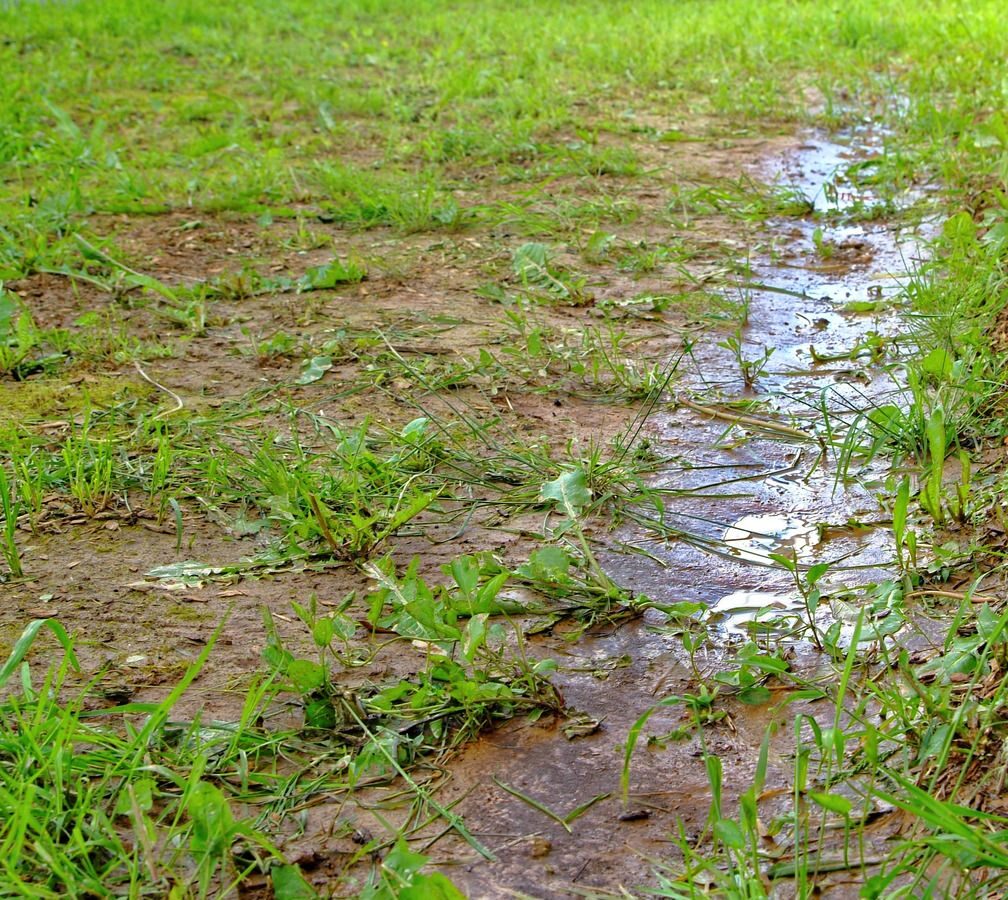
There is a particular kind of lawn that stops being a lawn somewhere around the middle of October. The grass thins, the surface softens, footprints stop springing back, and by November the whole thing is a patchwork of thin turf and bare brown mud that transfers straight onto the kitchen floor.
It is worth separating two things that get bundled together here. A lawn can be wet without being muddy, and it can be muddy without the drainage being especially poor. Mud appears where wet ground meets wear, and understanding which side of that equation is driving your problem changes what you should do about it.
🎧 Prefer to listen? Get the full guide in your ears
Why Is My Lawn Always Wet and Muddy?
Mud Is Grass Cover Failing, Not Just Water
A lawn with dense grass cover can be thoroughly saturated and still not muddy. The leaf and root mat holds the surface together, spreads the load of anything walking on it, and keeps soil where it is. You get a soft, springy lawn that squelches a bit and recovers by spring.
Mud appears when that cover breaks down. Once bare soil is exposed and wet, every footstep works it into a slurry, which destroys the structure further, which prevents grass re-establishing, which exposes more soil. It runs away from you quickly, and it is why a lawn can look tired in September and be genuinely unusable by December.
So the question is not only why the ground is wet. It is why the grass gave up first.
What Thins the Grass Before Winter
Traffic on soft ground
Grass tolerates being walked on remarkably well in summer, when the soil is firm and the plant is growing fast enough to repair damage. Neither is true in October. Growth slows to almost nothing below about five or six degrees, the ground softens, and every crossing does damage the plant cannot fix until spring.
This is why routes get muddy first. The line to the shed, the gate, the washing line, the spot by the back door. The lawn is not failing everywhere, it is failing where people and dogs actually walk.
Dogs
Dogs concentrate wear far more than people do. They use the same routes obsessively, they turn sharply, they skid, and they dig. A medium-sized dog patrolling a fence line will strip that strip to bare soil by early winter regardless of drainage, and urine damage thins the grass further in the same areas.
Shade
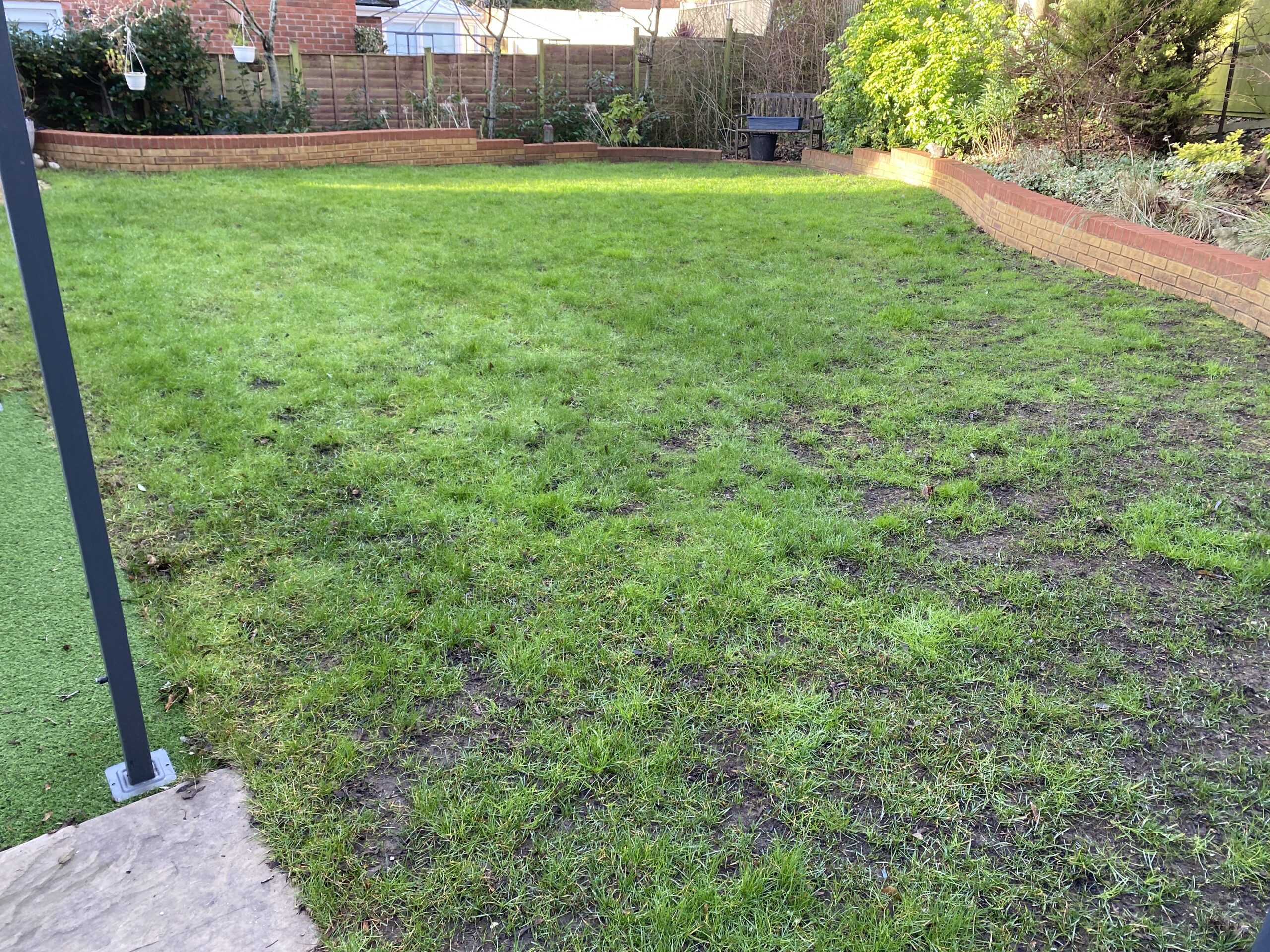
Grass in shade goes into winter weaker and with less stored energy than grass in the open, and the same areas stay wet longer because sunlight never reaches them to dry the surface. Shaded north-facing strips beside fences and buildings are usually the first parts of a lawn to turn to mud.
Mowing too short late in the season
A close final cut going into autumn leaves the plant with less leaf, less stored energy, and a more exposed crown. Longer grass through the back end of the year shades the soil, protects the surface, and holds the ground together far better.
Existing thinness
A lawn that was patchy in September will be muddy in December. Whatever caused the thinness, whether that is moss, drought damage, disease, or grubs, the bare ground it leaves behind is where mud starts.
A useful test. Walk the lawn after rain and look at where the mud actually is. If it follows routes and edges, wear is the primary driver and the fix is about grass cover and traffic. If it appears in low spots and open areas away from any path, water is the primary driver and drainage is the fix.
What Keeps the Ground Wet
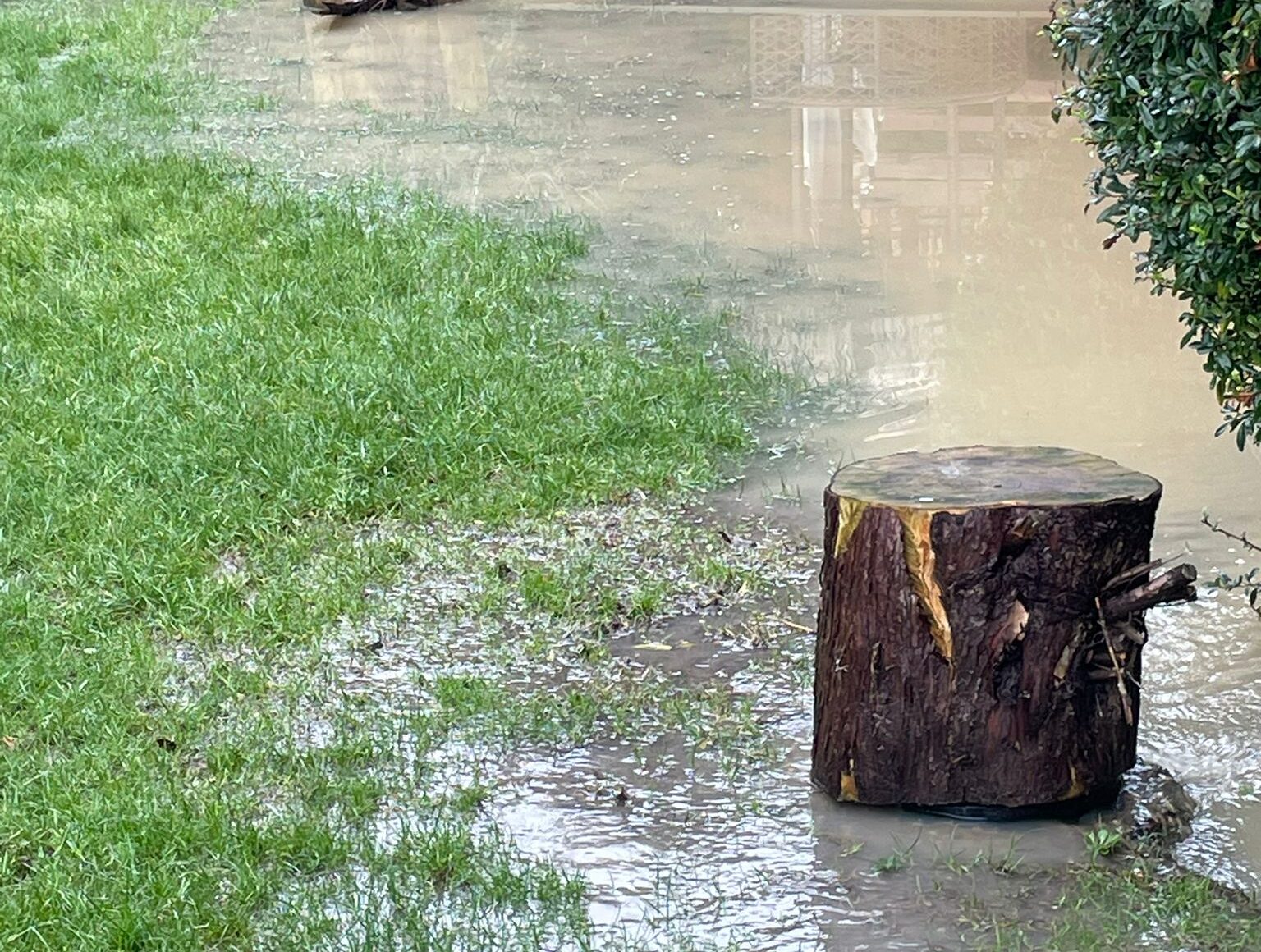
The water side of the equation matters too, and the usual causes are covered in more detail in our guide to improving lawn drainage. In summary they are compaction closing up the pore space water travels through, a thick thatch layer holding moisture at the surface, heavy clay soil that drains slowly by nature, buried rubble or a compacted subsoil pan left over from construction, and run-off arriving from a patio, drive, or roof.
Compaction deserves particular mention here because it is both a cause and a consequence. Walking on soft ground compacts it, compaction makes it wetter, wetter ground compacts more easily. A muddy lawn is usually well into that cycle by the time anyone thinks about doing something.
Getting Through This Winter
If the lawn is already muddy and the ground is saturated, most of the meaningful work has to wait. Aeration on waterlogged ground does more harm than good, and seed sown into cold wet soil will not establish. Where the ground is still workable, though, the renovation window runs into November, so it is worth asking before writing the year off. Once conditions have genuinely turned, the aim between then and March is damage limitation.
Keep off it as much as you reasonably can, particularly the worst areas. Every crossing on saturated bare soil sets recovery back.
Give the routes an alternative. A line of stepping stones, a temporary path of bark or gravel boards, or simply moving where the bins and washing line sit will take pressure off the worst strips. This sounds trivial and it makes a considerable difference.
For dogs, a defined run or a hard-surfaced patrol strip along the fence line is worth thinking about seriously. It is easier to give a dog somewhere else to wear out than to grow grass faster than a dog can destroy it.
Keep leaves off the surface. Wet leaf litter blocks light from what grass is left and holds moisture against the crowns, which turns a thin patch into a bare one.
Be realistic about seeding. Overseeding works to the start of November while the soil holds its warmth, and a late October sowing on workable ground beats waiting five months. Sown into ground that is already saturated and cold, though, seed mostly rots or washes out. If you have passed that point, note the bare patches and deal with them in spring.
Fixing It Properly
The real work happens in two windows, and it is worth planning for both rather than reacting each winter.
Early autumn, before the ground softens
Early September to mid October is when the structural treatments belong, and the work continues into November. Early September opens roughly six weeks when conditions are as good as they get all year. Aeration relieves the compaction underneath and top dressing keeps those channels open, then scarification removes any thatch holding water at the surface. Overseeding at the same time thickens the sward before winter arrives.
This is the single most effective intervention for a lawn that goes muddy every year, because it addresses both sides of the problem at once. Better drainage below, better grass cover above.
Spring, for repair and thickening
From April, once soil temperatures recover, bare areas can be overseeded and the lawn brought back to density. Feeding through spring builds the root system that will carry it through the following winter. A lawn that goes into October thick and well rooted is a fundamentally different proposition from one that goes in thin.
Where the Answer Is Not Grass
Some situations will not be solved by any amount of treatment, and it is worth recognising them rather than repeating the same work every year.
A narrow strip in permanent shade between a fence and a path is unlikely to hold grass through a UK winter regardless of what you do to the soil. The same applies to the four square metres immediately outside a back door on a clay site with two large dogs, or a shaded corner that sits at the lowest point of the garden.
In those places a path, a gravel area, a bed of shade-tolerant planting, or a hard standing is a better outcome than mud. Redirecting the effort to the rest of the lawn, where it can actually succeed, usually produces a garden people are happier with.
How We Approach It
When we look at a muddy lawn the first thing we work out is the balance between wear and water, because a lawn that is muddy along its routes and a lawn that is muddy in its hollows need different work. We check thatch depth and, where the pattern suggests something structural, we will dig rather than guess. Aeration itself is a standard annual operation on every lawn we look after rather than something we decide on case by case.
For most lawns the programme is autumn aeration with top dressing, scarification where thatch is contributing, then overseeding to rebuild cover, and a nutrition plan that puts the grass into winter with a proper root system. Where part of the lawn is genuinely unwinnable we will tell you, rather than selling you the same treatment for it every September.
We have been established since 2016, we are independent and family owned rather than a franchise, and we cover Hampshire, West Sussex and West Surrey along with Berkshire and the Thames Valley. Our technicians are City and Guilds qualified. We hold BASIS Lawn Assured accreditation, work to the Amenity Standard, and are members of the UK Lawn Care Association.
Frequently Asked Questions
Mud forms where wet ground meets wear. Grass growth stops below roughly five or six degrees, so any damage done from October onwards cannot be repaired until spring, and once bare soil is exposed and wet, foot traffic works it into a slurry. Poor drainage makes it worse, but thin grass cover is usually the immediate cause.
Not really, and attempting it usually backfires. Aerating saturated ground compacts it further, and seed will not germinate in cold wet soil. Between November and March the sensible approach is to keep off the worst areas, give traffic an alternative route, clear fallen leaves, and plan the structural work for early autumn.
Because those are the places that get walked on. Routes to the shed, the gate, the washing line, and dog patrol lines along fences take concentrated wear on soft ground. If your mud follows lines and edges, it is a wear problem. If it appears in open low-lying areas away from paths, it is more likely a drainage problem.
Give the dog somewhere else to do the damage. Dogs use the same routes repeatedly and turn sharply, which concentrates wear far more than people do. A defined run, a hard-surfaced strip along the patrol line, or gravel boards on the worst route will protect the lawn better than any treatment. Rebuild the grass in autumn once the traffic is redirected.
Spring, once soil temperature is reliably above eight to ten degrees, or early autumn before the ground softens. Sowing into cold saturated soil in late autumn mostly wastes the seed, which rots or washes out. Mark the bare areas over winter and deal with them when conditions allow.
No. Plenty of muddy lawns drain reasonably well and are simply carrying more traffic than the grass can survive at that time of year. Equally, a lawn with genuinely poor drainage but dense grass cover can stay soft and squelchy without ever turning to mud. Working out which applies to yours decides whether the fix is drainage work, cover, or both.
Tired of a lawn that turns to mud every winter?
We work out whether yours is a wear problem, a water problem, or both, and treat it accordingly. Autumn aeration, top dressing, scarification and overseeding address both sides at once, and we will tell you honestly if part of your lawn is never going to hold grass.




 Made with love by:
