
 Established 2016
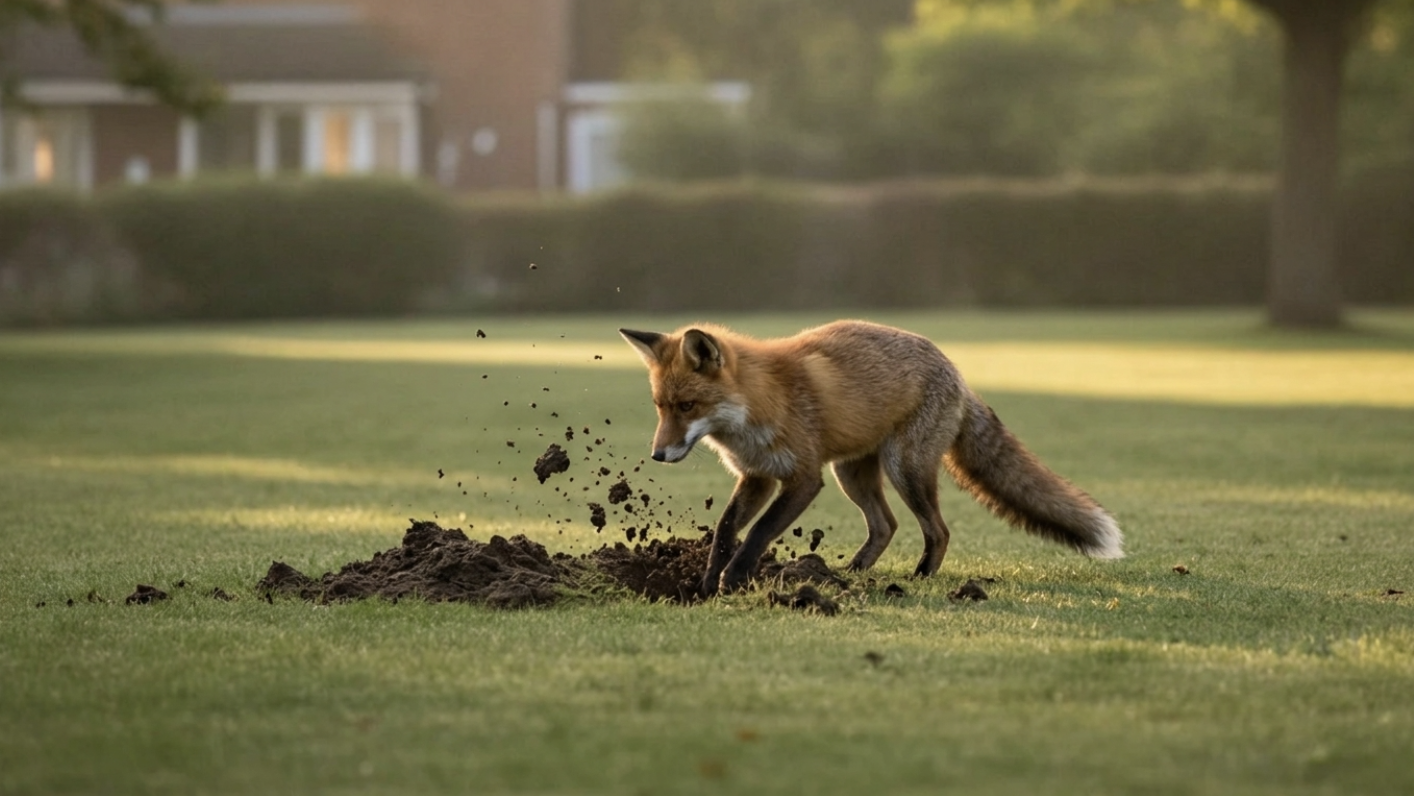
You come downstairs, look out of the kitchen window, and a section of lawn that was fine yesterday has been torn open overnight. Turf pulled back in strips, soil scattered across the grass, holes scraped out at the edges. It looks like vandalism.
The fox usually gets the blame, and a badger does considerably more damage when it visits. But in most cases the animal is not the problem. It is a symptom of one, and that is why so many people spend a winter trying to chase the animal away and find the same damage waiting for them the following autumn.
🎧 Prefer to listen? Get the full guide in your ears
Why Are Foxes and Badgers Digging Up My Lawn?
Why They Dig Lawns
Neither animal has any interest in grass. They dig lawns because something underneath is worth eating.
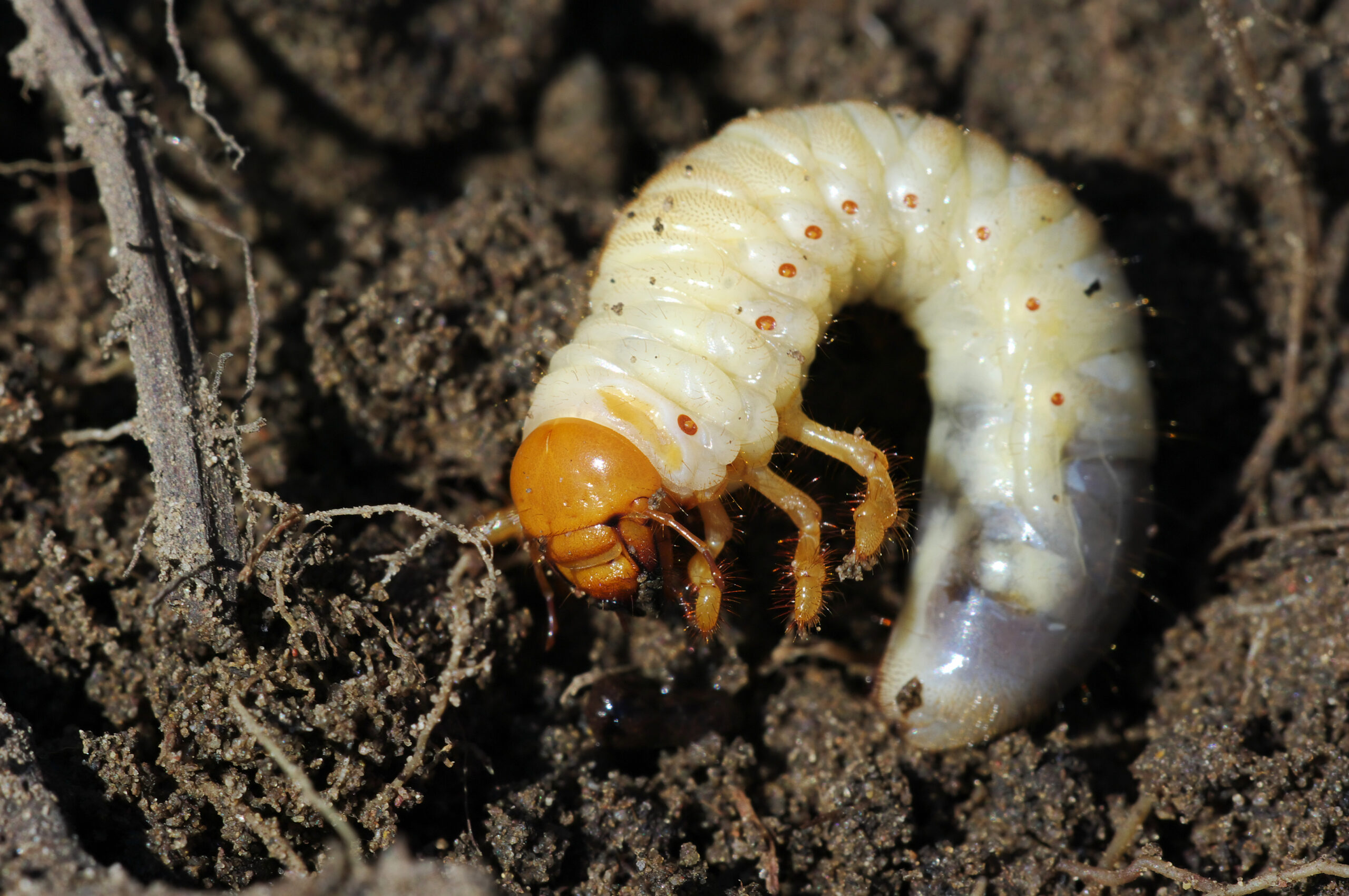
That something is almost always a grub. Chafer grubs and leatherjackets live in the top few centimetres of soil feeding on grass roots, and they are fat, protein-rich and easy to reach for an animal with strong front claws. To a fox or a badger working through a cold night, a lawn full of grubs is a reliable food source that requires no chasing.
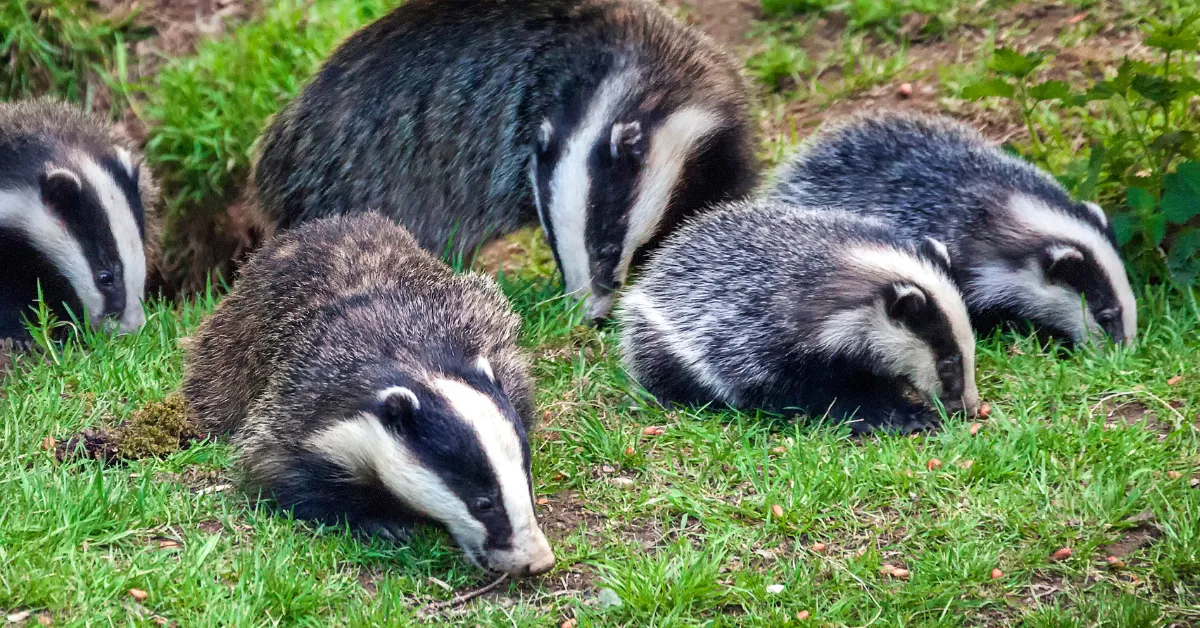
The difference between the two is scale. A fox scrapes and digs, usually leaving holes and loosened turf. A badger is a far more powerful animal and will roll whole sections of turf back like a carpet, working systematically across an area. Badger damage is unmistakable once you have seen it, and a single visit can undo an entire lawn.
Birds are after the same thing. Starlings, crows, magpies and rooks probing methodically at the surface during the day are feeding on the same larvae, and they are often the first sign before anything larger arrives.
Occasionally a fox will dig for other reasons. Buried food from a bin raid, a cache it made weeks earlier, or the scent of something below the surface. Vixens also scrape at soil looking for a den site in late winter. These produce scattered, isolated holes rather than the systematic lifting of turf across an area.
A Note on Badgers
Badgers are protected in the UK under the Protection of Badgers Act 1992. It is an offence to kill, injure or take a badger, and it is also an offence to interfere with a sett, which includes blocking access to it or disturbing a badger while it is occupying one.
In practice that means the answer to badger damage is never about the animal. It is about the food. Remove the grub population and the lawn stops being worth the effort, which is the only approach that is both legal and effective.
If you believe there is a sett on or near your property, that needs specialist advice rather than anything attempted directly.
How to Tell What You Are Actually Dealing With
Before spending anything on deterrents, confirm the cause. It takes five minutes and it decides everything that follows.
Cut a square of turf about thirty centimetres across with a spade, lift it back, and look at the soil underneath. Chafer grubs are creamy white, curled into a firm C shape, with an orange-brown head and three pairs of legs at the front. Leatherjackets are greyish brown, tubular, legless, and look rather like a leathery maggot. Take samples from two or three points in and around the damaged area rather than relying on one.
A better method for leatherjackets specifically. Soak a patch of lawn thoroughly in the evening, then cover it with black polythene or old carpet weighed down at the edges. Lift it at first light. Leatherjackets come to the surface in damp dark conditions and you will see them sitting on the turf, which gives a far more reliable count than digging, since they move away from disturbance.
Two other signs are worth checking. Turf that lifts away with almost no resistance means the roots have been eaten through, which points to grubs whether or not you find them. And damage appearing in patches across the lawn, rather than along fence lines or boundaries, points to something in the lawn rather than an animal simply passing through.
If you sample several areas and find nothing at all, the digging has another cause and deterrents become a reasonable response.
The Animals Are the Smaller Problem
This is the part that surprises people. A lawn with a grub population dense enough to attract foxes and badgers is already in trouble underneath, whether or not anything digs it up.
Both pests feed on grass roots. A lawn losing its root system stops taking up water and nutrients properly, browns off in patches that look like drought damage, and dies back in irregular areas. You can often confirm it by taking hold of a handful of grass in an affected patch and pulling gently. If it comes away like a piece of carpet, the roots have gone.
So there are two problems running at once. The grubs are killing the lawn from below, and the animals hunting them are tearing it up from above. Deterring the animal leaves the first problem entirely untouched, which is why the lawn keeps deteriorating even after the digging stops.
Why Deterrents Rarely Work On Their Own
Every autumn people try a familiar list. Motion-activated sprinklers, ultrasonic devices, scent repellents, chilli powder, human hair, and various things involving citrus.
Some have a short-term effect. Foxes are cautious animals and a new sprinkler will move them off for a while. The difficulty is that they are also intelligent and adaptable, and a reliable food source is a strong incentive to work out that the sprinkler is harmless. Most deterrents lose their effect within a few weeks. Badgers are creatures of habit following established routes, and they are considerably less easily discouraged than a fox.
Netting laid over the lawn does physically prevent digging while it is in place. It also stops you using the lawn, needs pinning down properly, and is an admission that the grub population is still there feeding on the roots underneath.
The pattern is consistent. Deterrents address the animal. As long as the lawn is worth digging, something will keep coming back to dig it.
Professional Treatment
This is where the problem actually gets solved, and the options available to a professional are different from those available to a homeowner.
Grub X insecticidal control
Syngenta developed and licenced an insecticidal control that is effective against both leatherjackets and chafer grubs. The active ingredient was originally found in a South American plant, Ryania speciosa, and it is not a new or untested product. It launched commercially in the USA in 2008, gained an EU listing for active use in 2013, and has now been granted full approval by the Chemicals Regulatory Division of the Health and Safety Executive.
Applied as a spray, it coats organic matter such as the grass leaf or is absorbed into the surface of the soil, so the active ingredient is available either to contact the insect as it moves through the soil or to be eaten with the plant material. It works on the receptors in the insect, causing an uncontrolled release of calcium from the muscles. That disrupts normal muscle contraction and produces temporary paralysis, and because the insect cannot feed during that period it starves.
Two things decide whether it works. The product has to reach the target, which means soil temperature and moisture need to be right so the grubs are close enough to the surface. And the grubs have to be young enough. Older larvae carry greater fat reserves and can wait out the paralysis without starving, so treatment has to be applied during the first and second instar of the life cycle. Timing is everything.
Grub X is licenced for use by qualified professionals only. Anyone applying it must hold PA1 and PA6 certification in the safe use and application of pesticides. If a gardener offers to apply this treatment for you, ask to see their licence, because without one you would both be breaking the law.
Nematodes
Nematodes are microscopic parasitic worms applied in solution and watered into the lawn. Certain species actively seek out grubs, entering through a natural opening and releasing bacteria that begin to break the grub down from inside, which provides both a food source and somewhere for the nematodes to reproduce. The process repeats until the grub population falls low enough that the nematodes die off through starvation.
They are harmless to people, pets, wildlife and earthworms, and you do not need a licence to apply them. Their use is specific and can be challenging, though, and the before and after care matters as much as the application. The soil needs to be moist before treatment and kept moist for the following week or two, and nematodes are killed quickly by ultraviolet light so application belongs in the evening or on a dull day.
The two together
Used in combination, insecticidal and biological controls are proven to deliver over a ninety per cent reduction in active lawn grubs. Insecticidal treatment is normally applied once a year, with nematodes applied more frequently in some cases depending on what the lawn needs.
One honest point about the first year. Damage becomes noticeable as the grubs grow and eat more, which means that by the time most people see it the larvae are usually into their third instar and old enough to withstand the paralysis. On a newly affected lawn we often have to manage the damage differently in year one and begin preventative treatment the following season. Where a lawn has had grub problems before, we know the problem exists and can time the application properly, which is why treating annually as a preventative measure matters so much once you have had an outbreak.
What Else Helps
Treatment deals with the population. These measures make the lawn less attractive for egg laying in the first place, which lowers next year’s numbers.
Reduce thatch. A thick organic layer gives leatherjackets both shelter and food, and scarification removes it. Thatch and moss also make it harder for any treatment to reach its target, which is why the lawn sometimes needs aerating or scarifying before application.
Improve drainage. Crane flies strongly favour damp turf for laying, and a lawn that stays wet through late summer and autumn is a more attractive prospect than one that drains freely. Annual aeration and top dressing make a genuine difference over successive seasons.
Keep the lawn dense and well rooted. A vigorous lawn tolerates a level of root loss that would visibly damage a thin, shallow-rooted one. It will not stop the larvae, but it changes how much damage they do.
Repairing the Damage
Deal with the grubs first. Reseeding a lawn that still has a feeding population supplies fresh roots for them and brings the animals straight back.
Once the population is under control, damaged areas can be repaired. Where turf has been rolled back but is otherwise intact, firm the soil beneath, lay it back down, tread it in and water it well. Where the grass has died back or the turf has been shredded beyond saving, clear the debris, break up the surface, overseed and keep it moist.
Early autumn is the ideal repair window and the work continues to the start of November while the soil holds its warmth. Spring from April is the alternative.
Living With Foxes and Badgers
Worth saying plainly. Both are a permanent feature across Hampshire, West Sussex, West Surrey and the Thames Valley, and no domestic garden treatment is going to remove them from the area.
Neither is doing anything malicious. An animal digging your lawn has found food where food is available, which is exactly what it is supposed to do. Take away the food and the lawn stops being interesting. Most people who deal with the grub problem find the digging stops within a season and does not return unless the population rebuilds.
How We Approach It
When we are called out to animal damage, the first thing we do is lift turf and count grubs across several sample points, because that reading decides whether this is a pest problem or something else entirely. Not every torn-up lawn has a grub population, and treating one that does not is money wasted. Identifying which larva is present also decides both the product and the timing, since the two pests do not run to the same calendar.
Where we do find them, we will tell you honestly whether the treatment window is still open this season or whether the better plan is to manage the damage over winter, repair in spring, and treat properly at the right point next year. We will also look at why the lawn was attractive for egg laying in the first place, because a damp, thatchy lawn will keep drawing them back regardless of what is applied this year.
We have been established since 2016, we are independent and family owned rather than a franchise, and we cover Hampshire, West Sussex and West Surrey along with Berkshire and the Thames Valley. Our technicians are City and Guilds qualified. We hold BASIS Lawn Assured accreditation, work to the Amenity Standard, and are members of the UK Lawn Care Association.
Frequently Asked Questions
Almost always because there are grubs underneath, usually chafer grubs or leatherjackets, which are a rich food source and easy to reach. The animal is responding to something already wrong in the lawn rather than causing the problem itself. Occasionally a fox digs for buried food or to scrape a den site, but that produces isolated holes rather than turf rolled back across an area.
Scale and pattern. A fox scrapes and digs, leaving holes and loosened turf. A badger is far more powerful and rolls whole sections of turf back like a carpet, working methodically across an area. Badger damage is unmistakable once you have seen it, and a single visit can do a great deal.
Not by targeting the animal. Badgers are protected under the Protection of Badgers Act 1992, which makes it an offence to kill, injure or take a badger or to interfere with a sett. The approach that is both legal and effective is removing the food source, so the lawn stops being worth the effort.
Lift a square of turf about thirty centimetres across and look at the soil beneath. Chafer grubs are creamy white, curled into a C shape, with an orange-brown head and three pairs of legs. Leatherjackets are grey-brown, tubular and legless. Another indicator is turf that lifts away with almost no resistance, which means the roots have been eaten.
Yes, though not one you can buy and apply yourself. Grub X is a licenced insecticidal control effective against both leatherjackets and chafer grubs, and by law it can only be applied by professionals holding PA1 and PA6 pesticide certification. Combined with nematodes it is proven to reduce active grub populations by over ninety per cent.
Yes. The active ingredient in Grub X has been through twenty years of development and is approved by the Chemicals Regulatory Division of the Health and Safety Executive, which required evidence that it does not affect non-target species, including earthworms. Nematodes are a biological control and are harmless to people, pets and wildlife.
Rarely for long. Sprinklers, repellents and ultrasonic devices tend to work for a few weeks before the animal adapts, because a dependable food source is a strong incentive to return, and badgers following an established route are less easily discouraged than foxes. Netting physically prevents digging but leaves the grubs feeding on the roots underneath.
After. Reseeding or returfing a lawn that still has a grub population gives them a fresh root system to feed on and brings the digging animals straight back. Deal with the pest first, then repair, and the work lasts.
Something digging up your lawn overnight?
We lift turf and count grubs across several points before recommending anything, because not every torn-up lawn has a pest problem. Where there is one, identifying which larva is present decides both the treatment and the timing, and we will tell you honestly whether this season’s window is still open.







 Made with love by: