
 Established 2016

 Professional lawncare in Guildford
Your local independent specialist — tailored programmes for Surrey's soils, shade and seasonal conditions.

We understand what Guildford lawns are up against
Lawns across Guildford deal with a mix of challenges caused by soil conditions, shade and seasonal weather changes. If your lawn looks tired or patchy and keeps returning to the same state, the soil and growing conditions are usually a large part of why.
Our technician covers Guildford and the surrounding Surrey villages and works in this area regularly. We look at each lawn individually and recommend treatments based on what is actually limiting it — not a standard programme applied to every property.
Meet your technician, David
Hello, my name is David. I grew up in Netley Abbey, Southampton. I studied horticulture at Sparsholt College, which first earned my interest in Sports Turf and Lawn Care. I find great joy in being outdoors and especially enjoy journeys to the garden centre to add new plants to my garden and giving the grass a cut. I’m also a big football fan and go to St Mary’s most weeks to watch Southampton play.

David Fricker
Complete our online lawn assessment or speak to a lawn consultant by phone
What's stopping your lawn from recovering
When the lawn dries out and doesn't recover
Many gardens around Guildford, particularly in Merrow, Burpham and along the Hog’s Back fringe, sit on chalk or thin, free-draining loamy soils. When a dry spell arrives, moisture goes quickly, grass comes under stress, roots stay shallow and the lawn starts to thin.
If your lawn turns pale in summer and never properly bounces back, the weather is rarely the whole answer. Shallow rooting and compacted ground both reduce the soil’s ability to hold moisture even when it does rain.
We usually address this with aeration, overseeding and seasonal lawn treatments. Aeration opens the soil structure so moisture and nutrients can reach the roots. Overseeding fills in the thin areas. Seasonal treatments support the lawn at the right time of year, building resilience rather than just a short-term green-up.
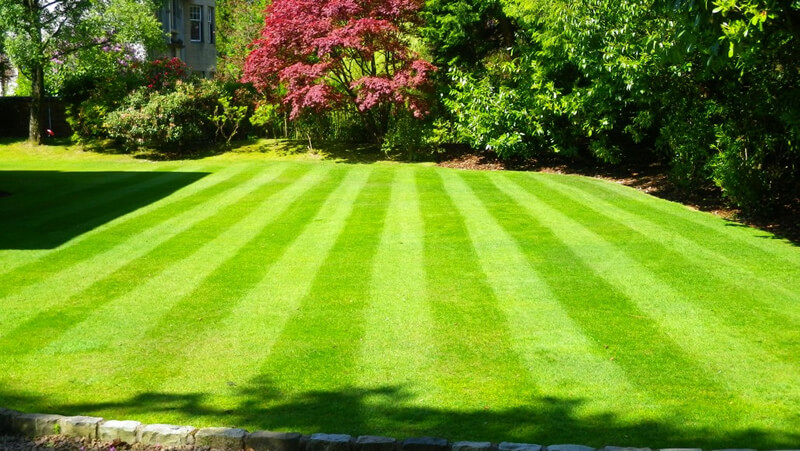
When moss keeps coming back
Moss comes back because the conditions that suit it have not changed. Shade, damp ground and weak grass density all give it the advantage. Surrey has more trees than any other county in England, and Guildford’s established residential areas reflect that. Many gardens across Guildford, Shalford, Chilworth and the surrounding villages have mature trees and hedging that create exactly these conditions.
Treating the visible moss without addressing the environment is why it returns every autumn.
Our approach combines moss control, scarification and overseeding. Moss control tackles active growth. Scarification removes dead moss and the thatch layer that holds recovery back. Where the lawn has thinned, overseeding restores density so moss has less room to re-establish.
Where shade is permanent, we plan around it rather than overpromise. The aim is to reduce moss pressure and build as much grass strength as the conditions allow.

When the ground is compacted
Foot traffic, pets and use during wet weather compact the soil over time. In the lower-lying areas around the River Wey, Guildford’s loamy and clay-influenced soils can hold onto that compaction through winter and well into spring. Once compaction sets in, air, water and nutrients cannot move through the root zone properly. No surface treatment changes that.
Compaction is not always obvious. The lawn may look reasonable on the surface, but growth is slow, recovery after dry spells is poor and the ground feels hard underfoot.
Mechanical aeration relieves that pressure, improves how air and nutrients move through the soil and creates better conditions for root development. Where compaction has already caused thinning, we usually combine aeration with overseeding and seasonal treatments to help the lawn recover properly.
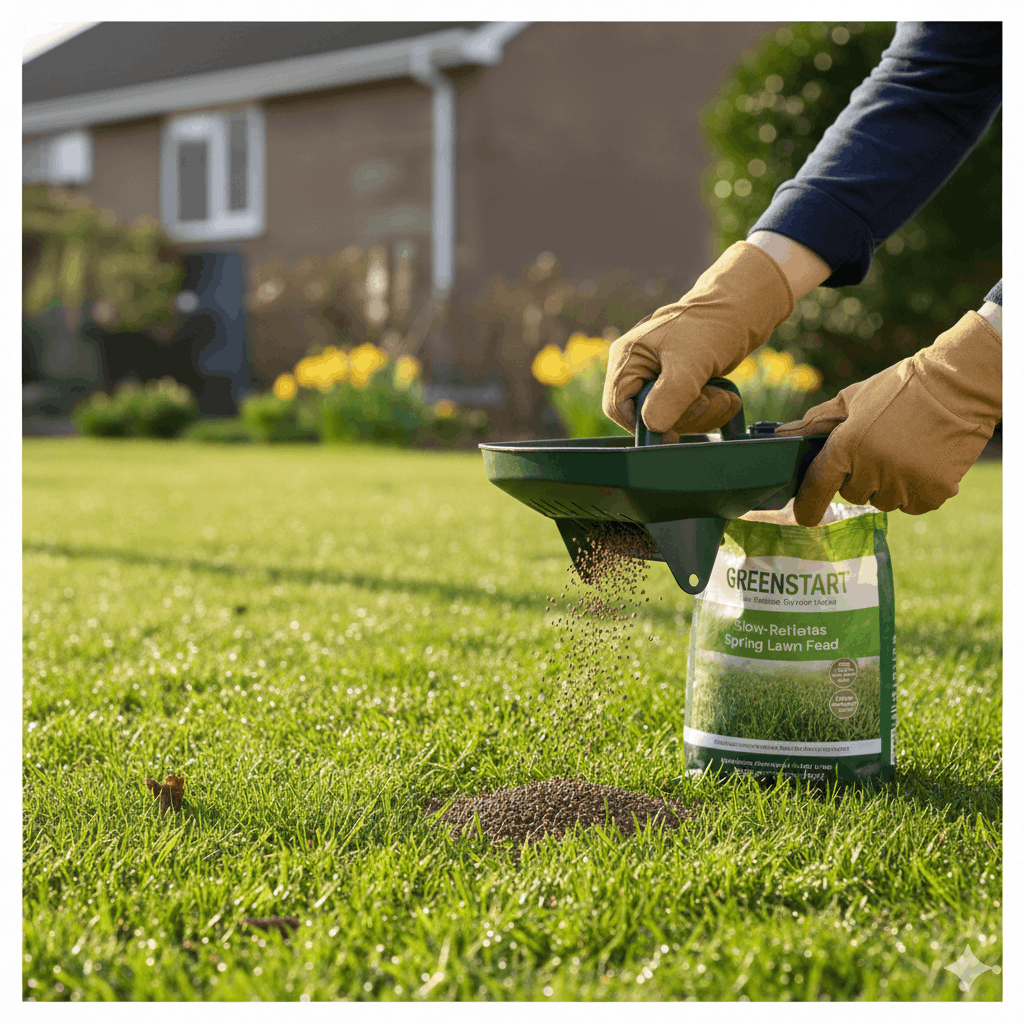
When the lawn is patchy and uneven
Patchy lawns are rarely caused by one thing. In Guildford, the soil can shift from free-draining chalk to heavier loam within the same street. Usually it is a combination of issues: dry soil, shade, moss, compaction, wear or poor nutrition. The pattern can also shift through the seasons, which makes it harder to read without looking at the lawn properly.
We work out what is limiting the lawn before recommending anything. Depending on what we find, the programme might involve overseeding, aeration, scarification, seasonal treatments or full renovation. For lawns in worse shape, renovation gives the grass a proper reset and a better foundation to grow from.
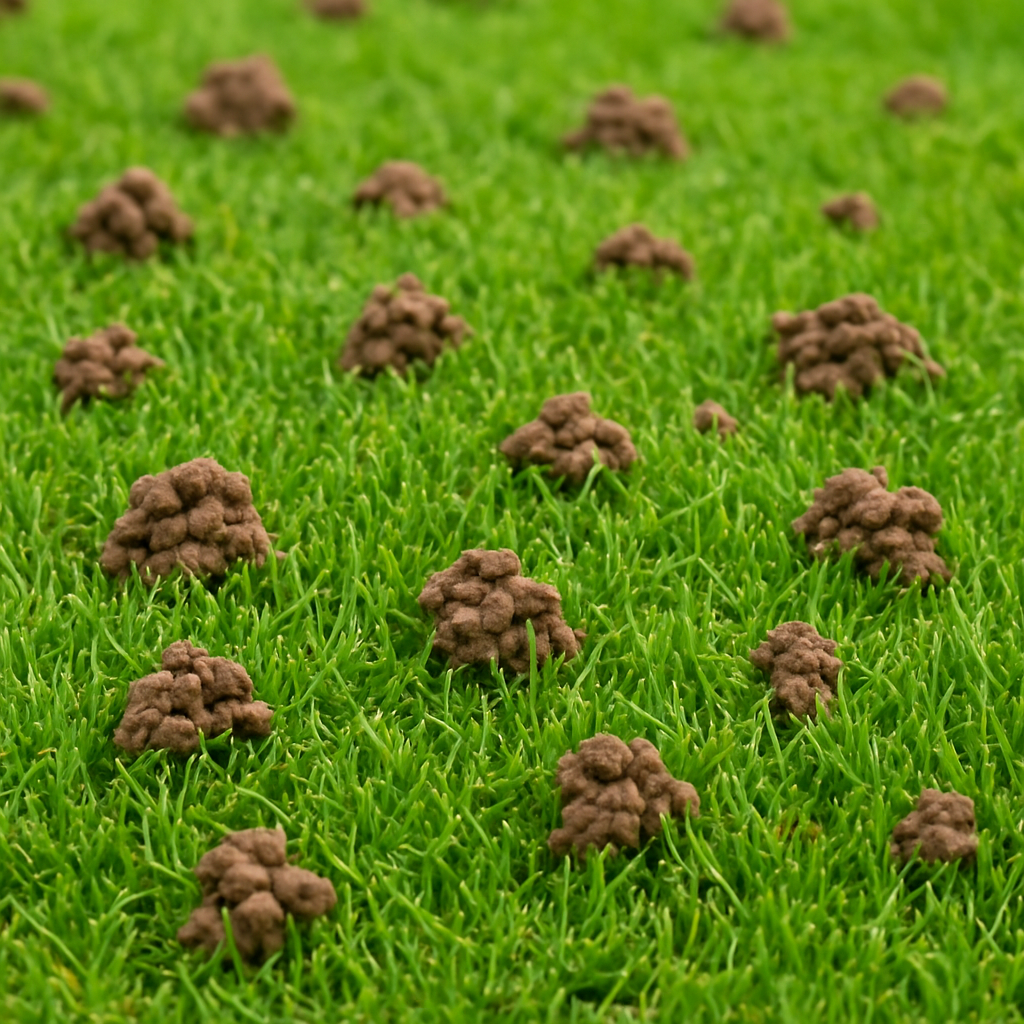
When weeds are spreading through a weakened lawn
Weeds get in when grass thins out and leaves gaps. Drought, moss, compaction and wear all create the conditions weeds need to establish. Where one part of a Guildford garden is drying out while another stays damp, that variety of conditions suits different weed species throughout the season.
We offer targeted weed control, but we treat it as part of a wider programme rather than a fix on its own. A thick, healthy lawn competes naturally. Weed treatment works better and lasts longer when it runs alongside aeration, feeding and overseeding.
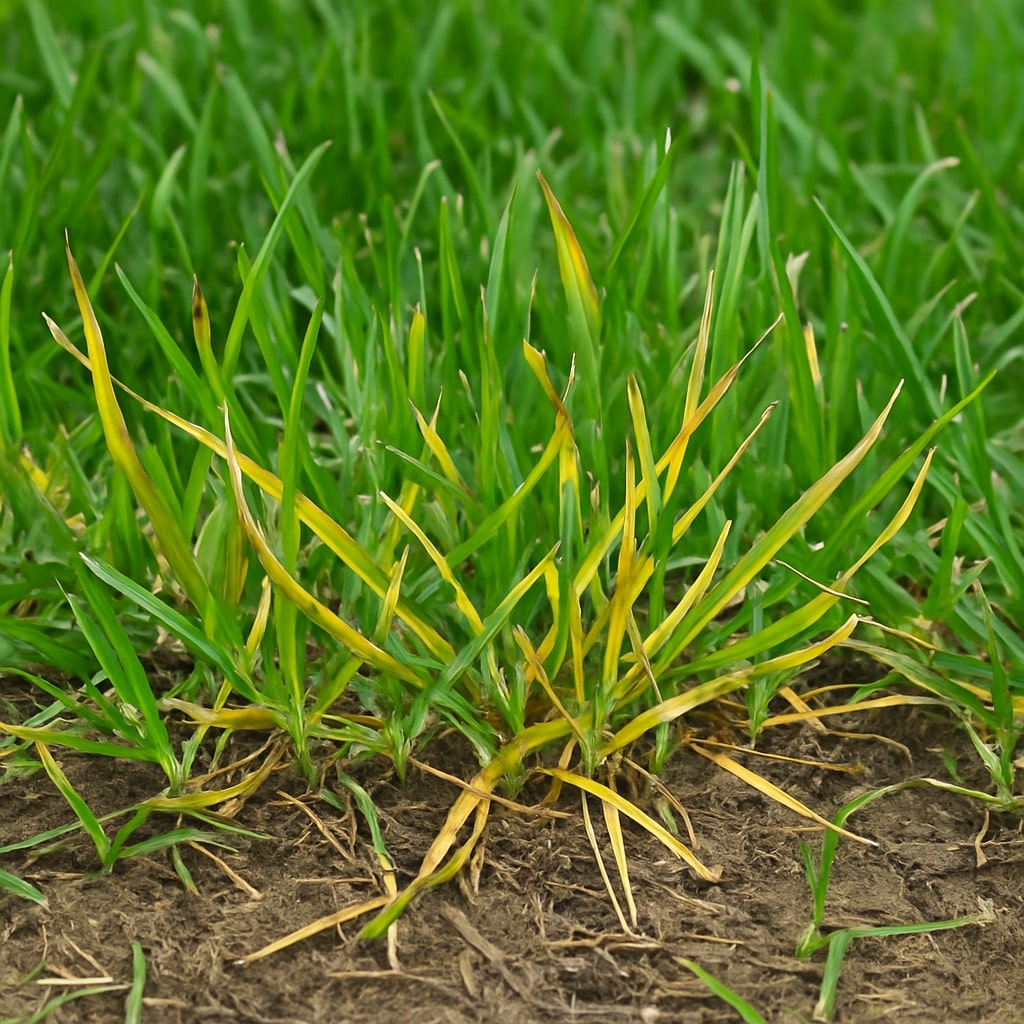 Safe for people, pets & wildlife
Everything we use in your garden is safe for everything that uses your garden!
The soil beneath a garden in Onslow Village can behave completely differently to one in Jacobs Well or Worplesdon. Shade, drainage, how the garden is used, surrounding trees and aspect all influence how a lawn performs. Two properties on the same street can need different approaches entirely.
We build programmes around what is actually restricting your lawn. The focus is on identifying the cause and treating it properly, not on producing temporary results.
1
Remove guesswork with a professional consultation
Answer a few questions online or speak to a lawn consultant so we can understand your lawn and advise appropriately.
2
A tailored foundation programme for your lawn
Based on the consultation, we create a tailored programme that establishes the right conditions for your lawn to thrive.
3
Professional care begins on site
Your qualified technician surveys your lawn, confirms the correct programme, and begins the improvement process with professional care.
Areas we cover around Guildford
Our local lawn technician covers Guildford and the surrounding Surrey area, including:
- Guildford
- Merrow
- Burpham
- Stoughton
- Onslow Village
- Shalford
- Chilworth
- Jacobs Well
- Worplesdon
- Normandy
- Compton
- + surrounding Surrey villages
If your lawn is struggling with dryness, moss, compaction or patchy growth, we can assess what is causing it and recommend a programme suited to your lawn. Start with a short online assessment or speak to a lawn expert by phone.
Frequently asked questions
Why does my Guildford lawn dry out so quickly?
Chalk and free-draining loamy soils lose moisture fast, particularly along the Hog’s Back fringe and in areas like Merrow and Burpham. Combine that with shallow roots or compacted ground and the lawn struggles to hold moisture even after rain. Aeration, overseeding and seasonal treatments help improve soil structure and root depth over time.
Why does moss keep returning every year?
Because the conditions favouring it have not changed. Shade is a consistent factor across many Guildford gardens, and shade combined with damp soil and thin grass will keep bringing moss back. Moss control, scarification and overseeding together give better long-term results than treating the surface alone.
What does lawn aeration actually do?
It breaks up compacted soil and creates channels for air, water and nutrients to reach the roots. Healthier roots mean a more resilient lawn that responds better to feeding and recovers faster from stress.
Can a patchy lawn recover?
Usually, yes. Overseeding, aeration and the right seasonal treatments make a real difference in most cases. Where the lawn is in worse condition, renovation is often the better starting point.
Do you use the same treatment plan for every lawn?
No. Every programme is based on the specific issues affecting your lawn. Guildford’s varied soil conditions — from chalk and loam to clay and alluvial ground — mean the approach needs to reflect what is actually beneath your garden.







 Made with love by: