
 Established 2016

 Professional lawncare in Henley-on-Thames
Your local independent specialist, with tailored programmes for Henley's Chiltern chalk, clay-with-flints and Thames valley soils, shade and seasonal conditions.

We understand what Henley lawns are up against
Henley sits at the foot of the Chilterns, where the chalk hills slope down to the Thames, and the meeting of those two landscapes creates a range of lawn conditions across a relatively compact town. The riverside gardens and lower streets are on alluvial and gravel soils that stay wet through winter and lie close to the water table. Above the town, the Chiltern slopes are chalky, covered in places by clay-with-flints, and well wooded with the beech coverage typical of this part of south Oxfordshire. The shade from those hillside trees is persistent in many gardens, and the clay-with-flints soils that cap the chalk hold moisture quite differently to the valley floor below.
Shrekfeet is your local independent lawncare specialist. Our technician covers Henley, Harpsden, Rotherfield Greys and the surrounding south Oxfordshire area regularly and understands how conditions vary between the Thames Valley floor and the Chiltern slopes around the town. We assess each lawn individually and recommend treatments based on what is actually limiting it, not a standard programme applied to every property.
Meet your technician
Your local Shrekfeet technician covers Henley and the surrounding south Oxfordshire area, assessing each lawn individually and building a programme around what is actually restricting it. If you’d like to know more, start with an online assessment or speak to a lawn expert.

David Fricker
Complete our online lawn assessment or speak to a lawn consultant by phone
What's stopping your lawn from recovering
When the lawn dries out and doesn't recover
On the chalk-influenced hillside gardens and the Chiltern slopes above the town, soils drain freely and hold limited moisture in reserve. When summer dry spells arrive, the grass comes under stress relatively quickly. On steeper gardens where the chalk lies closer to the surface, there is limited soil depth for roots to draw on, and the lawn thins and pales faster than might be expected from the conditions above ground.
Clay-with-flints soils on the higher Chiltern ground can also dry and crack at the surface in summer, which prevents moisture from penetrating properly when rain does eventually arrive. The cracked surface forms a barrier rather than an entry point, so the lawn can receive a reasonable amount of rain and still not benefit from it. Chalk soils lower on the slopes can develop a similar mild hydrophobicity when severely dry, where the surface tension of water causes it to bead and run off rather than soaking in.
We address this with aeration, overseeding, seasonal lawn treatments and, where the conditions call for it, the application of a professional wetting agent product known as Drench.

What is Drench and why is it used on Henley lawns?
Drench is a professional wetting agent used to improve how water moves into and is held within a free-draining soil profile. On the chalk and clay-with-flints soils of the Chiltern slopes above Henley, water drains through the root zone quickly and moisture reserves are depleted fast once dry weather takes hold. Drench works by reducing the surface tension of water, the property that causes it to bead and run off dry or cracked surfaces rather than penetrating them, so once that tension is reduced water moves into the surface properly and travels laterally through the root zone rather than draining straight down through the chalk.
For gardens on the Chiltern slopes, this means moisture is held where grass roots can reach it for longer, extending the period before a hillside chalk lawn shows visible stress during the extended dry spells south Oxfordshire summers regularly produce. Over time, consistent moisture deeper in the profile encourages roots to develop downward rather than staying near the surface, which makes the lawn considerably more resilient.
Drench also has a useful role in winter on the alluvial and gravel soils in the lower parts of Henley toward the Thames. Applied as a penetrant through autumn or winter, it helps surface water move into the profile rather than pooling on top, easing muddy conditions near the river and reducing the compaction that builds up on soft ground. We use it as part of a broader programme alongside aeration, overseeding and seasonal treatments, and it works best once aeration has opened the soil so it can penetrate properly.

When moss keeps coming back
Moss is a consistent challenge across much of Henley, particularly in the hillside gardens toward the Chiltern slopes. The well-wooded character of the hills above the town, with dense beech canopy and established garden trees throughout the more elevated residential areas, creates persistent shade in a large proportion of gardens. Clay-with-flints soils on the higher ground stay damp for longer than the pure chalk below, and the combination of shade and retained soil moisture is exactly what moss needs to establish and maintain its presence. In the older town centre gardens, period walls and mature boundary plantings create similarly enclosed conditions where grass density is difficult to maintain.
Moss does not cause a thin lawn, it colonises the spaces that weakened or thinning grass has already left behind, whether that thinning comes from summer drought on chalk, shade reducing grass vigour through the year, or compaction from regular use.
Our approach combines moss control, scarification and overseeding. Moss control kills the active plant, scarification removes dead moss and the thatch layer that builds up in established lawns, and overseeding restores density so there is less bare ground for moss to re-establish. Where shade is a permanent feature, we plan around those conditions rather than making promises the site cannot support.
When the ground stays wet near the river
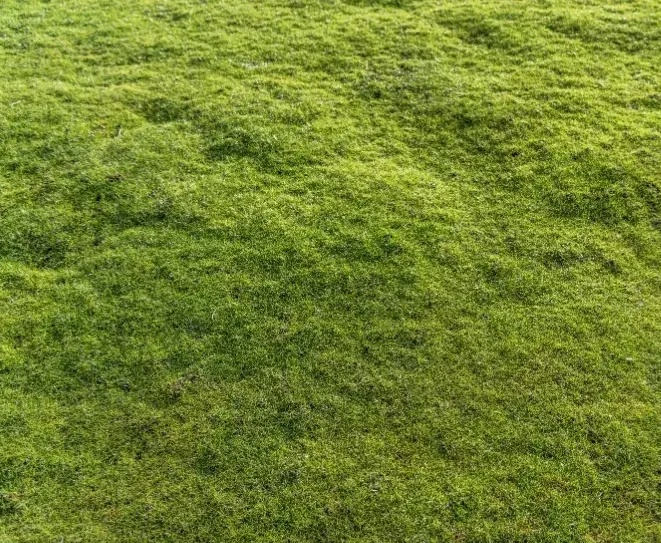
For gardens in the lower parts of the town and toward the riverside, the Thames alluvial and gravel soils create a different set of conditions through winter. This ground sits close to the water table, stays wet for extended periods after heavy rain and can remain soft and difficult to use through much of the colder months. Mill Meadows and the low-lying land beside the river have a genuine floodplain character, and gardens in those positions often reflect that directly in their drainage and root conditions.
Saturated soil excludes oxygen from the root zone, and grass roots need oxygen to function properly. An extended period of waterlogging weakens root systems significantly, reducing the lawn’s ability to grow vigorously even once surface conditions improve. Walking on soft, saturated ground also compacts it steadily, so a lawn walked on through a wet winter can arrive at spring already damaged before any growth has begun, and recovery on valley floor ground is slower than on the chalk above.
Mechanical aeration relieves that compaction by opening channels through the root zone, restoring oxygen flow and improving drainage from the surface downward. Drench used as a penetrant in autumn can support this by helping surface water move into the profile rather than pooling. Where waterlogging has already caused thinning, we combine aeration with overseeding and seasonal treatments to help the lawn rebuild properly.
When the lawn is patchy and uneven
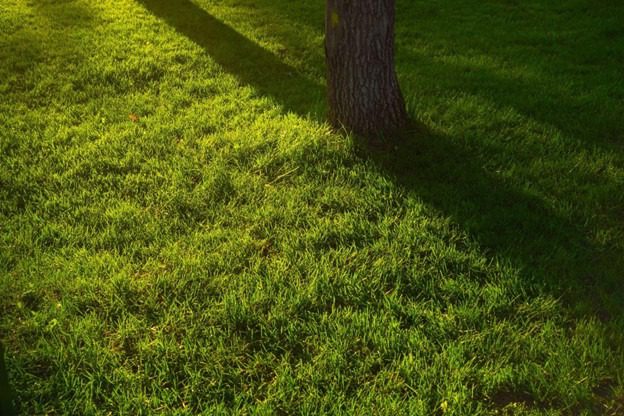
Patchy lawns in Henley often reflect the varied ground across the town operating through different parts of the year. Drought on chalk-influenced hillside soils in summer, moss in shaded beech-wood gardens on the Chiltern slopes, damp alluvial conditions near the river through winter and compaction from regular household use all contribute. In the older Georgian and Victorian gardens throughout the town centre, long-standing thatch and soil that has never been aerated can be adding a further layer of difficulty below the surface without it being immediately apparent.
We work out what is limiting the lawn before recommending anything. Depending on what we find, the programme might involve overseeding, aeration, scarification, seasonal treatments, moisture management or full renovation. For lawns in worse condition, renovation provides a proper reset and a sounder foundation to grow from.
When weeds are spreading through a weakened lawn
Weeds establish when grass thins and leaves space. Summer drought on chalk, moss in shaded hillside gardens, waterlogging in riverside positions and compaction from years of use all create those gaps. Some weed species actively thrive in the dry conditions that chalk soils produce in summer, so a stressed hillside lawn becomes more vulnerable at exactly the time it is least able to compete. In the well-established gardens across Henley with long histories, the grass rarely fills back in without structured support.
We offer targeted weed control, but treat it as part of a wider programme rather than a standalone fix. A dense, healthy lawn competes naturally against weed ingress, and weed treatment works better and lasts longer when it runs alongside aeration, feeding and overseeding. Improving moisture retention through the root zone also helps maintain grass density through the dry periods when Chiltern chalk lawns are most vulnerable.
Everything we use is safe for your family, pets and garden wildlife.
 Safe for people, pets & wildlife
Everything we use in your garden is safe for everything that uses your garden!
A garden on the chalk and clay-with-flints slopes above the town behaves differently to one on the alluvial valley floor beside the Thames, and both differ again from an enclosed period garden in the Georgian town centre. Slope, soil type, shade and drainage all shape what the lawn actually needs, and in a town that spans from Thames riverbank to Chiltern hillside within a relatively short distance, those differences can be significant.
We build programmes around what is actually restricting your lawn. The focus is on identifying the cause and treating it properly, not on producing temporary results. Where moisture management is identified as a key issue, which it frequently is on the chalk-based hillside gardens above Henley, it is incorporated from the outset rather than treated as an afterthought.
1
Remove guesswork with a professional consultation
Answer a few questions online or speak to a lawn consultant so we can understand your lawn and advise appropriately.
2
A tailored foundation programme for your lawn
Based on the consultation, we create a tailored programme that establishes the right conditions for your lawn to thrive.
3
Professional care begins on site
Your qualified technician surveys your lawn, confirms the correct programme, and begins the improvement process with professional care.
Areas we cover around Henley-on-Thames
Our local lawn technician covers Henley and the surrounding south Oxfordshire area, including:
- Henley-on-Thames
- Harpsden
- Rotherfield Greys
- Rotherfield Peppard
- Remenham
- Shiplake
- Wargrave
- Nettlebed
- Bix
- Sonning
- + surrounding south Oxfordshire & Chilterns villages
If your lawn is struggling with dryness, moss, compaction or patchy growth, we can assess what is causing it and recommend a programme suited to your lawn. Start with a short online assessment or speak to a lawn expert by phone.
Frequently asked questions
Why does my Henley hillside garden dry out so quickly in summer?
Chalk soils capped by clay-with-flints on the Chiltern slopes drain reasonably freely and have limited moisture reserves. Steep ground on thin soil over chalk has very little to offer roots once dry weather sets in, and clay-with-flints can crack at the surface in summer, further preventing moisture from penetrating when rain does arrive. Aeration, overseeding and seasonal treatments help improve soil structure and root depth over time. Where drought stress is a consistent problem, we also use Drench, a professional wetting agent that reduces the surface tension of water, improving its penetration into dry chalk and cracked clay-with-flints and helping moisture move through the root zone rather than draining away. On Henley’s Chiltern hillside gardens, this can meaningfully extend the period before the lawn comes under visible stress and support the development of deeper roots that build resilience through successive dry summers.
Why does moss keep returning in my garden?
The beech woodland and well-established tree coverage typical of the Chiltern slopes above Henley creates persistent shade in many hillside gardens, and clay-with-flints soils hold enough moisture to suit moss through winter. Moss fills the gaps that weakened or thinning grass leaves behind rather than causing that thinning itself. Moss control, scarification and overseeding together address the underlying conditions more effectively than surface treatment alone, removing the dead material, opening the soil and restoring the grass density that prevents moss from re-establishing the following season.
What does lawn aeration actually do?
Aeration breaks up compacted soil by removing or fracturing plugs of earth through the root zone, creating channels for air, water and nutrients to reach the roots properly. Healthier, deeper roots produce a more resilient lawn that responds better to feeding and recovers faster from stress. On chalk soils, aeration also significantly improves the effectiveness of any moisture management treatments applied afterwards, because the soil is open and receptive rather than sealed at the surface.
What is Drench and when is it used?
Drench is a professional wetting agent that changes how water behaves in the soil. By reducing the surface tension of water, it allows moisture to penetrate dry chalk or cracked clay-with-flints surfaces rather than running off, and helps it move through the root zone rather than draining straight down. In summer on the Chiltern slopes, this holds moisture where grass roots can access it for longer, reducing drought stress and supporting deeper root development. In winter on the alluvial and gravel soils near the Thames, Drench can act as a penetrant, helping surface water move into the soil profile more efficiently, easing muddy conditions near the river and keeping the lawn in better shape through the wetter months. We use it as part of a broader programme on lawns where moisture management is identified as a limiting factor, with different applications depending on whether the garden sits on the chalk hillside above or the riverside valley floor below.
Can a patchy lawn recover?
Usually, yes. Overseeding, aeration and the right seasonal treatments make a real difference in most cases. Where the lawn is in worse condition, renovation is often the better starting point because it addresses the underlying soil conditions rather than just the surface appearance. Across Henley’s varied terrain, identifying whether the cause is drought, waterlogging, moss, compaction or a combination is the essential first step before deciding on a programme.
Do you use the same treatment plan for every lawn?
No. Every programme is based on the specific issues affecting your lawn. Chalk hillside gardens, riverside alluvial ground and enclosed town centre plots all behave differently through the seasons, and the treatment needs to reflect the conditions in your garden specifically. Soil type, aspect, shade history, drainage and how the lawn is used all shape what we recommend.







 Made with love by: