

 Established 2016
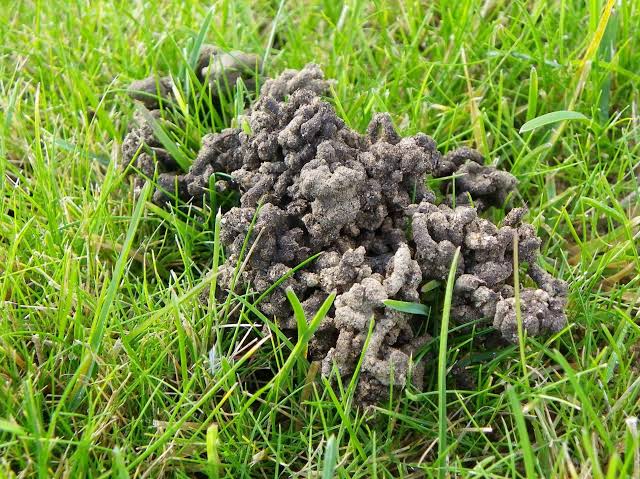
Small muddy coils appear across the lawn overnight, you walk on one and it smears, and by the time you have been across the grass a few times there are flattened brown patches everywhere. From December through to March this is one of the most common complaints we hear.
It is also one of the few lawn problems where the honest answer is that the thing causing it is doing you a favour.
🎧 Prefer to listen? Get the full guide in your ears
Why Is My Lawn Covered in Worm Casts?
What a Worm Cast Actually Is
Earthworms feed by pulling organic material down into the soil, digesting it, and depositing the processed soil at the surface. The cast is the output of that process, which is to say it is soil that has been through a worm and come out in better condition than it went in.
What matters is the rest of what they are doing while they produce it. Earthworms drag organic matter down into the profile and break it down, and their burrows create drainage and air channels running through the soil. A soil with a good worm population is a soil with functioning structure.
Worm casts on a lawn surface irritate some people. They are a sign of a healthy soil.
How the Soil Food Web Works, and Where Worms Fit
Worms are the part of the system people can see, and understanding what sits beneath them explains why they matter so much.
A lawn is not simply grass growing in dirt. Underneath it is a food web, and every level of it feeds the one above while making nutrients available to the plant.
It starts with the grass. Through photosynthesis the plant produces sugars, and it releases a proportion of them through its roots. Those root exudates are deliberate, not waste. They are the plant paying for a service.
Bacteria and fungi feed on those sugars and on dead organic matter in the soil. In doing so they lock nutrients up inside their own bodies, which is useful storage but does the grass no immediate good.
The nutrients become available when the next level feeds. Protozoa and nematodes eat the bacteria and fungi, and because they need less nitrogen than their prey contains, they release the surplus into the soil in a form the grass roots can take up directly. That exchange is where a great deal of a lawn’s nitrogen actually comes from, and it happens continuously in a healthy soil without anything being applied.
Earthworms sit near the top of this web and do something none of the others can. They shred and ingest organic matter at a scale nothing else in the soil manages, pulling leaf litter and dead root material down from the surface and distributing it through the profile where the bacteria and fungi can get at it. Without that, organic matter sits on top as thatch rather than being cycled.
Their burrows matter just as much. A worm channel is a permanent route for air and water to move down through the soil, and for roots to follow. A soil with a good worm population drains better, holds air better and resists compaction better than a chemically identical soil without one.
And the cast itself is not waste. Soil that has passed through a worm comes out with more available nutrients and better structure than it went in, which is why worm casts are used as a soil improver in their own right.
This is why killing worms to tidy a lawn surface is such a poor trade. You would be removing the organism that shreds the organic matter, builds the channels and feeds the level below it, in order to avoid brushing the lawn on a dry morning. Everything else in the web suffers for it, and the lawn becomes more dependent on whatever you apply from a bottle.
Why They Appear in Winter
Casting is driven by conditions rather than season as such, but the conditions line up for a long stretch of the colder months.
Earthworms are most active in mild, damp soil. They move down and go quiet in hard frost, and they move down and go quiet in summer drought. What is left is autumn, winter and early spring, when the soil is wet and the temperature sits in the range they like, and that is exactly when the casting is most visible.
It shows up more in winter for a second reason. The grass is not growing, so it is not covering anything. In June a cast gets absorbed into a growing sward within days. In December it sits on the surface and gets walked on.
The Actual Problem, Which Is Smearing
The casts themselves are harmless. The problem is what happens when they are trodden on or mown over while wet.
A smeared cast spreads into a flat patch of bare soil sitting on top of the sward. That patch blocks light from the grass underneath it, which weakens the plant at the point in the year it can least afford it. It also creates a small area of exposed soil, and exposed soil in winter is where moss and weed seeds establish.
So the thing worth managing is not the worms. It is the smearing.
How to Manage Them
All of this is about timing and surface conditions rather than control.
Let them dry before touching them. A cast that has dried crumbles to nothing. A wet one smears. If you can leave the lawn alone for a day after heavy rain, the problem largely solves itself.
Brush or switch them out on a dry day. A stiff brush, a besom or a drag mat run across the surface breaks dried casts up and distributes the soil back into the sward, where it is genuinely useful. This is the single most effective thing you can do and it takes minutes.
Mow on a dry day with sharp blades, and not at all when the surface is wet. Mowing over wet casts is the fastest way to turn a minor cosmetic issue into a lawn covered in smeared mud.
Keep the surface open. Casting is heaviest on soils with a lot of organic matter at the surface, and thatch contributes. Scarification in the autumn window reduces the material the worms are working on nearest the surface.
Avoid anything marketed as a worm killer. Products that kill earthworms are not something we use or recommend. You would be removing the drainage channels, the soil structure and a large part of the organic matter cycling in your lawn in order to solve a cosmetic problem that a stiff brush deals with in ten minutes.
When Casting Is Telling You Something
Heavy, persistent casting is usually just a healthy soil in damp conditions. There are a couple of cases where it is worth reading as information.
Very heavy casting alongside a thick thatch layer suggests there is a lot of undecomposed organic matter sitting at the surface for the worms to work on. The thatch is the thing to address.
Casting concentrated in areas that stay wet long after the rest of the lawn has drained points at a drainage problem in those spots, since that is where the soil stays in the condition worms prefer for longest.
Neither of those is a worm problem. They are the usual autumn renovation work showing up in a different form.
What Not to Do
Do not mow or walk the lawn while the casts are wet, which is the mistake that causes nearly all the damage.
Do not rake wet casts, which spreads them rather than removing them.
Do not apply anything intended to kill or drive out worms.
And do not try to solve it by cutting the grass shorter. Short grass in winter is weaker, photosynthesises less and leaves more soil surface exposed, which makes every other winter problem worse including moss.
How We See It
We treat worm casts as a surface management issue rather than a pest problem, because that is what they are. On customer lawns that means timing the work to dry conditions, brushing or dragging the surface rather than raking it wet, and dealing with thatch and drainage in the autumn window where those are contributing.
Our wider approach is built around soil biology rather than against it. We use low salt index fertilisers that protect soil life, add carbon and compost to feed the soil rather than only the plant, and minimise chemical input. Killing the worm population to tidy the surface would run directly against all of that.
We have been established since 2016, we are independent and family owned rather than a franchise, and we cover Hampshire, West Sussex and West Surrey along with Berkshire and the Thames Valley. We hold City and Guilds NPTC pesticide qualifications and BASIS Lawn Assured accreditation, carry full insurance through NFU Mutual, are licensed waste carriers, and are members of the UK Lawn Care Association, whose committee Ian Kenyon sits on.
Frequently Asked Questions
No. A cast is soil that has passed through an earthworm, and the worms producing them are dragging organic matter down into the profile and creating the drainage and air channels that give soil its structure. A good worm population is a sign of healthy soil. The only real issue is cosmetic, and that is caused by smearing rather than by the casts themselves.
Because the conditions suit the worms and the lawn is not covering them. Earthworms are most active in mild damp soil, which describes autumn through early spring, and they go quiet in hard frost and summer drought. In winter the grass is not growing, so a cast sits on the surface instead of being absorbed into a growing sward within days.
Let them dry, then brush or drag the surface on a dry day. A dried cast crumbles to nothing and the soil goes back into the sward where it is useful. A wet one smears into a flat patch of bare soil. Do not mow or walk on the lawn while the casts are wet, since that is what causes the damage.
No, and we would not apply one. You would be removing the drainage channels, the soil structure and much of the organic matter cycling in the lawn to solve a cosmetic problem that a stiff brush handles in ten minutes. Healthy soil biology is what makes everything else you do to a lawn work better.
Not directly, but smeared casts contribute to the conditions moss likes. A smeared cast is a patch of bare soil sitting on the sward, blocking light from the grass beneath it. Bare ground in winter is where moss and weed seeds establish, and the grass cannot compete for it until spring.
Usually soil type and surface conditions rather than anything they are doing. Heavier soils with more organic matter near the surface support more casting, and lawns that drain freely give the worms a shorter window in the conditions they prefer. A thick thatch layer also gives them more material to work on near the surface.
Worm casts making a mess of your lawn?
They are a sign of healthy soil, and we work with them rather than against them. Where heavy casting points to thatch or drainage, we will tell you honestly what is worth doing and when.




 Made with love by:
