
 Established 2016
Summer is the season most homeowners associate with enjoying the garden, and the lawn is at the centre of it. Barbecues, games, bare feet on the grass, evenings outside while the light lasts. It is also, quietly, the season that puts the most pressure on a UK lawn and exposes every weakness that has built up through the winter and spring.
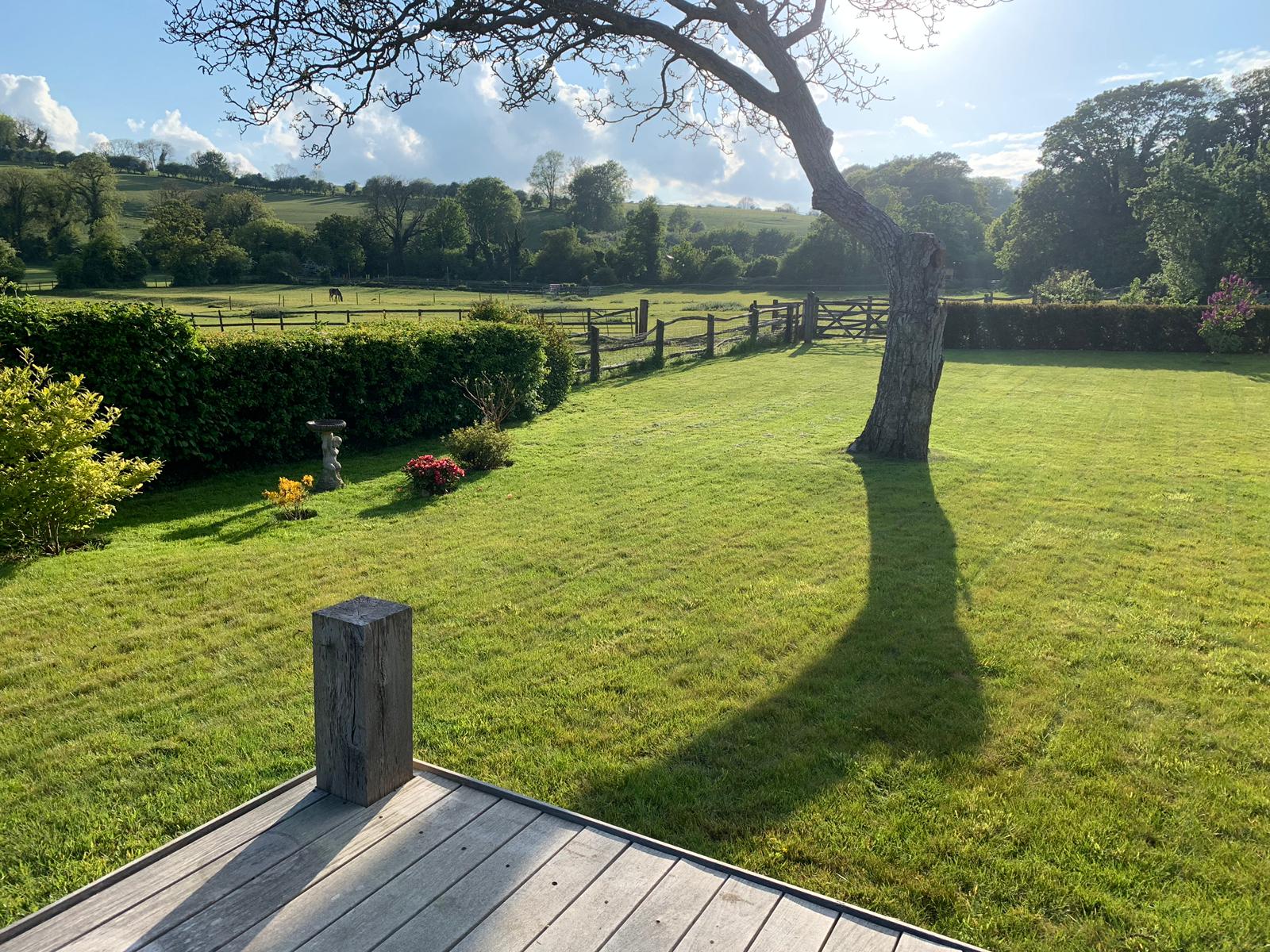
The good news is that looking after a lawn through summer does not require complex or expensive intervention. A small number of straightforward adjustments to how you mow, feed, and manage the lawn through June, July, and August makes a significant difference to how it holds up under heat, foot traffic, and dry weather, and to how quickly it recovers when autumn arrives.
This guide covers the practical steps that actually matter for UK lawns in summer, with specific guidance on the timing and approach for each one.
Adjust Your Mowing Height
Cutting height is the single most impactful adjustment you can make to a lawn in summer, and it costs nothing to get right.
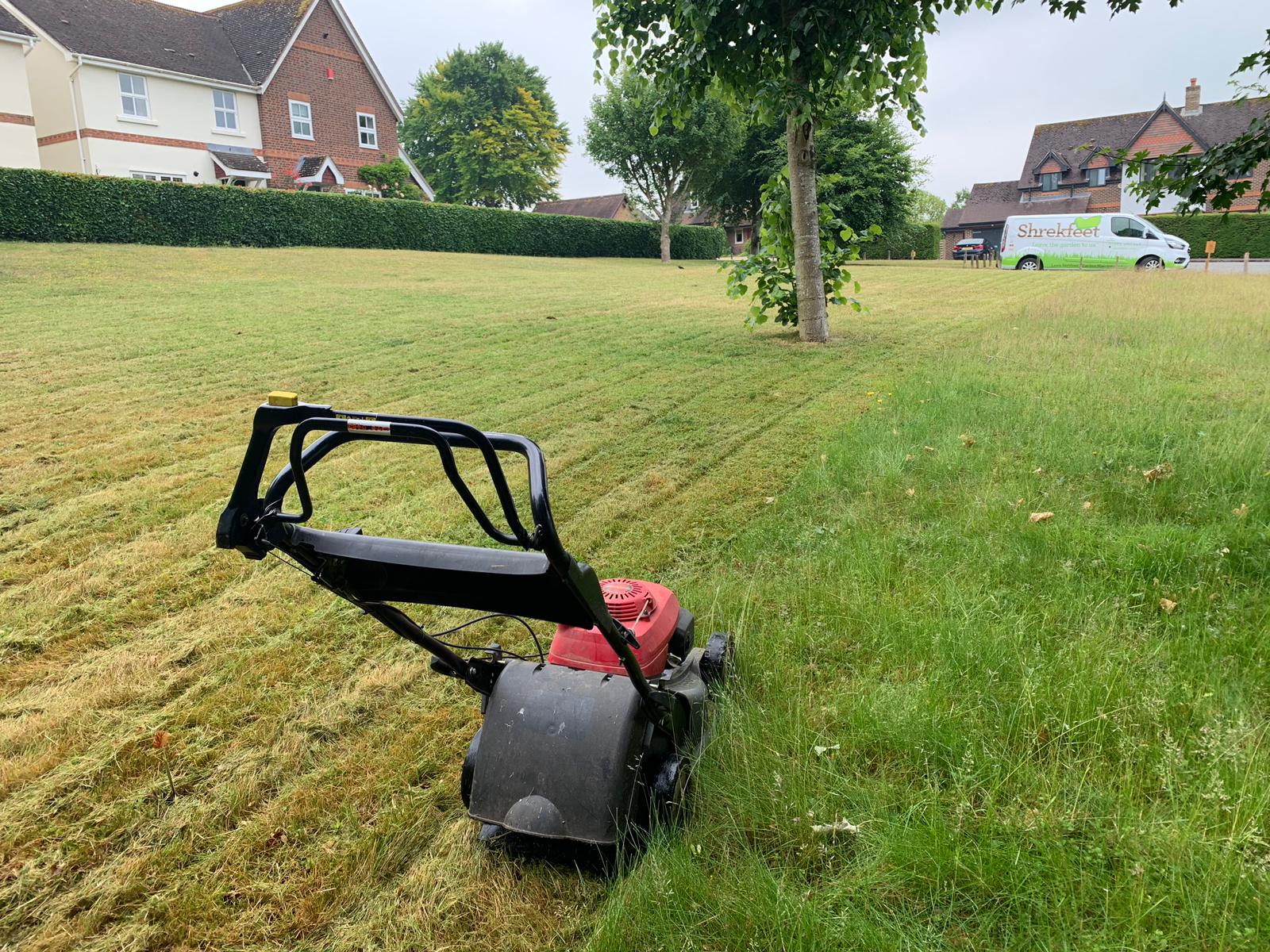
The instinct to cut short is understandable. A short lawn looks neat and tidy, and there is a logic to thinking that shorter grass means less mowing. In summer, though, cutting too short creates significant problems. Short grass has a reduced leaf area for photosynthesis, less capacity to shade and cool the soil surface, and fewer stored resources to draw on during periods of heat stress or dry weather. A lawn cut to two centimetres goes into trouble quickly in warm conditions. The same lawn cut to four to five centimetres holds up considerably better.
The recommended approach through June, July, and August is to raise your mowing height by ten to fifteen millimetres compared to your spring setting. Taller grass blades shade the soil, reducing moisture evaporation from the surface. The larger leaf area means more effective photosynthesis even under temperature stress. The grass plant has more reserves to draw on during difficult periods.
During active dry spells, when the lawn is already under heat stress, hold off mowing altogether or raise the height further. Mowing a stressed lawn removes the leaf tissue the grass is depending on to survive, and the recovery time is significantly longer. It is better to let the lawn run a little long through a dry spell than to cut it down and compound the stress it is already experiencing.
Mow Little and Often, With Sharp Blades
When conditions are suitable for mowing, cutting frequently with a small reduction in height each time is better for the lawn than infrequent cuts that remove a large proportion of the leaf blade in a single pass.
The general rule is never to remove more than one third of the grass height in a single cut. If the lawn has grown while you held off during a dry spell and is now considerably longer than usual, bring it back down gradually over two or three cuts rather than scalping it back to the previous height in one go.
Mower blade sharpness matters more in summer than at any other time of year. A blunt blade tears the grass rather than cutting it cleanly. Torn grass tips turn white or brown within a day or two of mowing, giving the lawn a dull, pale appearance that is often mistaken for drought stress or disease. A clean cut seals quickly, reduces moisture loss from the cut surface, and produces a noticeably better finish. If the lawn looks pale and tired a day or two after mowing and the weather has been fine, check the blade condition before assuming the problem is more serious.
Avoid mowing wet grass. Wet blades clump together, which produces an uneven cut, clogs the mower, and can spread fungal disease spores across the lawn. Morning mowing after the dew has dried, or evening mowing after the heat of the day has passed, produces the best results.
Summer Feeding: What to Apply and When
A lawn fed in spring will exhaust those nutritional reserves through the growing season. By June and into July, the nitrogen applied in March or April has largely been used or leached through the soil, and the grass is running on progressively less support. This is one of the main reasons lawns fade and thin through summer rather than maintaining the quality they showed in spring.
A summer fertiliser application replenishes those resources and supports the grass through the demands of the season. The key distinction from spring feeding is the formulation. A high-nitrogen spring fertiliser is designed to push growth during the active early-season period. Applying the same product in summer, particularly during warm, dry conditions, risks scorching the grass rather than feeding it.
A summer fertiliser should have a moderate, balanced nitrogen content alongside higher potassium. Potassium strengthens cell walls, improves heat and drought tolerance, and helps the plant manage water more efficiently. Iron content supports colour without pushing excessive soft growth. This combination maintains quality through the season without creating the kind of lush, vulnerable growth that suffers badly in heat.
Timing the application is important. Apply when rain is forecast within the next day or two, or water the lawn after application to help granules dissolve and wash into the soil. Never apply granular fertiliser to dry, stressed grass in hot weather. The concentrated salts will draw moisture out of the grass cells rather than nourishing them, causing the scorch you were trying to prevent.
Managing Dry Spells Sensibly
One of the most common mistakes in summer lawn care is reacting to a dry spell with hasty and counterproductive intervention.
An established UK lawn has a genuine capacity to tolerate dry weather through dormancy. When the lawn goes yellow or straw-coloured in a dry spell, the grass plants are protecting themselves, not dying. The growing points at soil level remain alive. Natural rainfall will trigger recovery, and on well-managed, well-rooted lawns this recovery happens quickly.
If you choose to water during a dry spell, do it properly. A single thorough watering session that penetrates twenty to twenty-five centimetres into the soil profile is far more beneficial than daily light watering that keeps only the top two centimetres moist. Shallow watering encourages shallow roots, which are more vulnerable to drought, not less. Early morning is the most efficient time; evening watering increases fungal disease risk.
Where irrigation is genuinely necessary, such as on newly laid turf or recently overseeded areas in their first season, consistent deep watering is essential until the root system is established. New turf and seedlings cannot rely on dormancy and will not recover from desiccation the way an established lawn does.
Keep an Eye Out for Summer Pests
Chafer Grubs
The larvae of chafer beetles spend the early part of their life cycle feeding on grass roots through summer. Adult beetles lay eggs in turf in June and July, and the larvae that hatch begin feeding on roots in the weeks that follow. Initial signs include yellow patches that lift away from the soil surface like a loose carpet when pulled, and secondary damage from birds, foxes, and badgers digging for the grubs.
The treatment window for chafer grub nematodes, microscopic biological control organisms watered into the soil to target larvae, is June and July while larvae are still small and the soil is warm and moist enough for nematode activity. This is a relatively narrow window and timely application matters significantly. If you see birds digging repeatedly in specific areas of the lawn in summer, it is worth investigating whether grubs are present.
Leatherjackets
The larvae of crane flies hatch in late summer following the adult egg-laying period in August and September. Damage from leatherjackets typically becomes most visible in late summer and autumn as larvae grow and feeding intensifies. Summer is the time to be aware of this pest approaching, particularly if your lawn suffered leatherjacket damage the previous year.
Leatherjacket nematodes are applied in late summer, typically August through to October, when larvae are present and soil conditions are suitable. Being aware of the timing and booking treatment at the right moment produces significantly better results than attempting to treat at the wrong stage of the pest’s life cycle.
Watch for Fungal Disease
Summer weather in the UK often combines warmth with periods of humidity, particularly in July and August. These conditions are ideal for fungal turf diseases, most commonly red thread.
Red thread appears as irregular or roughly circular patches of bleached, pinkish-tan grass, with small red or pink needle-like threads visible on the grass blades on close inspection. It is associated with nitrogen-deficient turf and is most active during warm, humid spells, particularly after overcast periods with overnight dew.
A well-fed lawn is considerably more resistant to red thread than a nitrogen-deficient one. Maintaining an appropriate summer feeding schedule is therefore both a nutritional measure and a disease prevention strategy. Where red thread has established, an appropriate nitrogen feed supports recovery by encouraging new growth to outpace the fungal activity. In severe or persistent cases, professional fungicide treatment accelerates recovery.
Avoid watering in the evening or at night as this keeps moisture on the leaf surface overnight and creates the conditions fungal disease requires. Morning watering allows the leaf surface to dry during the day and substantially reduces infection risk.
Dealing With Weeds in Summer
Weeds are most actively growing in spring and early summer, and early to mid-spring is the most effective window for broadleaf herbicide treatment because the plants are in active growth and uptake is highest. By the time summer arrives, a well-managed lawn receiving regular treatment should have most active broadleaf weeds under control.
Through summer, the focus shifts to preventing newly germinated weeds from establishing in any thin or bare areas of the lawn. Bare ground in summer is an open invitation for weed seeds from the soil seed bank or from surrounding gardens. Keeping the sward dense through feeding and correct mowing height is the most effective natural weed suppressant available.
Any patches opened up by drought damage, disease, or foot traffic wear should be noted for overseeding in the autumn renovation window. Leaving bare patches through the summer and hoping they fill in naturally produces an unreliable result. Managed overseeding in September or October is far more reliable.
Reducing Compaction From Heavy Summer Use
Summer is the season when lawns receive the most foot traffic. Garden parties, children playing, outdoor furniture sitting in the same spot, regular mowing, all of these contribute to the compaction that builds up through the year and makes summer stress harder for the grass to manage.
There is limited practical scope for aerating during the height of summer as the disruption to a lawn already under heat stress can do more harm than good. The better approach is to manage use sensibly where possible, rotate the positions of garden furniture to spread the load, and keep the autumn aeration programme firmly in the plan as the primary remedy for the compaction that has accumulated through the season.
For very heavily worn areas, such as the path worn by children running between goal posts, practical solutions like repositioning the play area or using stepping stones to protect the most-used route reduce the pace of compaction in specific spots.
Preparing for Autumn While Summer Is Still Underway
Summer is also the time to assess what the autumn renovation programme needs to look like. By early August, you should have a clear picture of which areas have thinned, where pest or disease damage has occurred, whether compaction is visible in specific locations, and what the overall condition of the sward tells you about the year’s management.
That assessment informs the autumn decisions: which areas need priority overseeding, whether hollow-tine or solid-tine aeration is the right approach, whether scarification is needed and how aggressive it should be, and what the feeding programme should look like through September and October.
The most productive autumn renovations are the ones that have been thought through in advance rather than decided reactively in September. Summer is a good time to plan those decisions.
Why Professional Summer Care Makes a Difference
Managing a UK lawn well through summer requires adjusting multiple variables simultaneously: mowing height, feeding timing and formulation, pest and disease monitoring, moisture management, and planning for autumn. Getting each of these right independently is straightforward enough. Getting them right in combination, in the right sequence, and responding appropriately when something unexpected occurs, is where professional support adds genuine value.
At Shrekfeet, our summer lawn visits cover a professional assessment of the lawn’s current condition, an appropriately formulated and timed fertiliser application, identification of any pest or disease activity requiring action, and practical advice on mowing height and management through the rest of the season. Our technicians hold City and Guilds qualifications and we carry BASIS Lawn Assured accreditation. We cover Hampshire, Surrey, West Sussex, and Berkshire, and we understand the specific pressures that summer puts on lawns in our service area.

If your lawn is not looking as good as you would like it to through summer, or if it has been deteriorating progressively year on year, a professional assessment will identify what is driving that and what needs to change.
Frequently Asked Questions
With caution. If the lawn is showing signs of drought stress and the grass has stopped growing, hold off mowing until conditions improve. If growth is continuing despite the heat, raise the cutting height significantly before cutting and avoid reducing the height further during the dry period. Never cut more than one third of the grass height in a single pass during heat stress.
No. Scarification is a significant mechanical intervention that removes thatch and disrupts the sward surface. In summer, when the lawn is already under potential heat and drought stress and recovery rates are reduced, scarifying causes damage that the grass is poorly placed to repair. Scarification should be carried out in autumn, typically September to October, when soil temperatures are still warm enough to support recovery but conditions are cooler and moister.
A uniform pale green or yellowish colour across the whole lawn that is not correlated with dry weather is a reasonable indicator of nitrogen deficiency. The grass is still growing but lacks the colour and density that characterises a well-fed lawn. Patchy discolouration with distinct patterns is more likely to indicate disease or localised damage and should be assessed separately before feeding.
Not too late, but less effective than spring treatment. Selective broadleaf herbicides work best when weeds are in active growth in spring. By mid to late summer, some weed species slow down and uptake is reduced. A summer treatment will still control actively growing weeds, but for best results the main weed control effort should happen in the April to June window.
Leave heavy repair work until the autumn renovation window. Overseeding in September and October, when soil temperatures are still warm enough for germination but conditions are cooler and moister, produces the most reliable results. In the meantime, keep the worn areas free from heavy traffic where possible and resist the temptation to overseed in summer heat, as germination rates and establishment are significantly lower.
Raise the mowing height. It is the single most impactful, lowest-effort adjustment available and it makes a measurable difference to how a lawn copes with heat, dryness, and heavy use. Everything else, feeding, pest monitoring, disease awareness, is valuable, but getting the cutting height right consistently through the summer months is the foundation everything else builds on.
Want professional support for your lawn this summer?
Our technicians cover Hampshire, Surrey, West Sussex, and Berkshire. We will assess your lawn properly, identify any issues that need addressing, and design a programme built around your specific lawn and conditions.







 Made with love by: