
 Established 2016
A lawn that struggles to grow properly can be frustrating. Instead of a thick, even green surface, you may be left with thin grass, slow growth, uneven coverage or areas that never seem to improve no matter what you try.
In some gardens, the lawn looks weak throughout the year. In others, it may respond briefly after feeding or seeding, only to lose strength again not long after. You might notice that certain areas never fill in properly, or that the grass lacks the density needed to cope with everyday use.
This often leads to a cycle of trying different fixes—more feed, more seed, more watering—without seeing lasting results.
It is easy to assume the lawn simply needs more care. But weak grass growth is usually a sign that something beneath the surface is holding it back. A healthy lawn depends on strong roots, good soil structure and the ability to recover. When any of these are restricted, the grass struggles to grow properly.
Understanding what is limiting your lawn’s growth is the first step towards improving it.
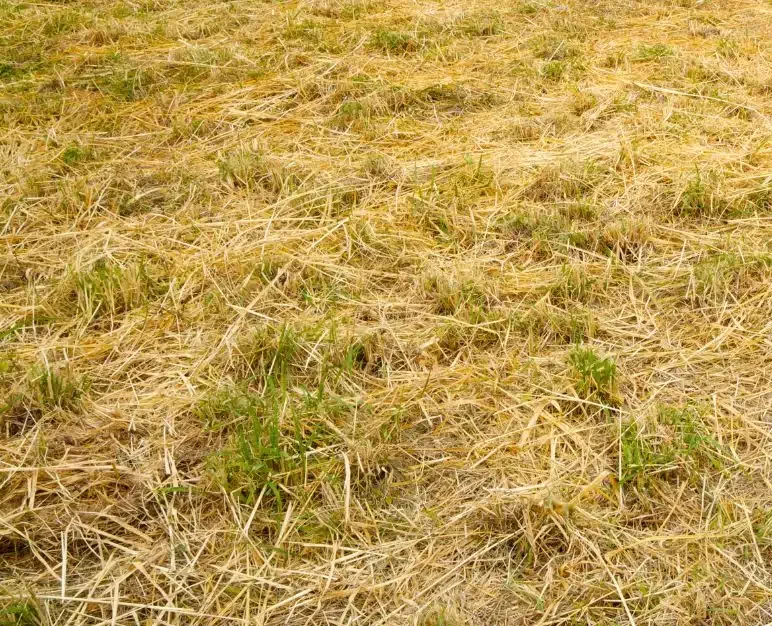
Why grass struggles to grow strongly
Grass needs the right conditions to grow well. When those conditions are not in place, growth becomes slow, uneven and inconsistent.
One of the most common causes is compacted soil. When the ground becomes hard and dense, it restricts the movement of air, water and nutrients. Grass roots cannot spread properly, which leads to shallow, weak growth. Even when the lawn is fed, the nutrients may not reach the roots effectively.
Poor soil condition can also limit growth. If the soil lacks structure or essential nutrients, the grass may not receive what it needs to grow consistently. This can leave the lawn looking thin, pale or uneven.
Inconsistent feeding is another factor. Grass requires a steady supply of nutrients to maintain strong growth. If feeding is irregular, the lawn may grow in short bursts, followed by periods of decline. This results in uneven coverage and a lack of density.
Moisture imbalance can also affect performance. Lawns that become too dry may struggle to maintain healthy growth, particularly during warmer periods. On the other hand, lawns that remain too wet can develop weak roots, as waterlogged soil restricts oxygen flow.
Shade can also contribute. Grass in shaded areas often grows more slowly and less densely, which can lead to thinner sections that struggle to recover.
Regular wear and use can further weaken the lawn. Foot traffic, pets and repeated use can place pressure on the grass, especially if it is already under stress. Over time, this can prevent the lawn from repairing itself properly.
In most cases, weak growth is not caused by a single issue. It is usually the result of several factors affecting the lawn at the same time.
Why the problem keeps coming back and why simple fixes don’t last
This is where many lawns become stuck.
It is natural to try to improve weak grass by applying feed or adding seed. These are often the first steps homeowners take, and in some cases they do produce short-term improvement.
But the results often do not last.
The reason is that these treatments focus on the surface, not the conditions underneath.
If the soil is compacted, new seed may struggle to establish properly. It may germinate briefly, but without strong root development, it cannot survive long-term. This is why newly seeded areas sometimes look better for a few weeks, then begin to thin again.
If drainage is poor, the lawn may remain under stress regardless of how much feed is applied. Roots sitting in wet or poorly structured soil cannot function properly, which limits the lawn’s ability to grow.
If the lawn is already weak, it may not respond fully to feeding. Nutrients are only effective when the grass can absorb and use them. In poor soil conditions, much of that benefit is lost.
In some cases, repeated attempts to repair the lawn can make the problem more noticeable. Small improvements highlight the weaker areas, making the lawn look even more uneven.
This creates a frustrating pattern:
- The lawn is treated
- It improves slightly
- Then it declines again
- The same areas continue to struggle
The issue is not always the treatment itself. It is that the underlying conditions have not changed.
Until the soil, root environment and overall lawn health are improved, the same problem is likely to return.
The real solution: building stronger growth from the ground up
To improve weak grass growth properly, the focus needs to shift from short-term fixes to long-term lawn health.
The goal is to create the right conditions for the grass to grow strongly and consistently.
If the soil feels hard or drains poorly, aeration is often one of the most important steps. Aeration opens up the soil, allowing air, water and nutrients to move more freely into the rootzone. This supports deeper root development and improves the lawn’s ability to recover.
If the lawn has become thin or uneven, overseeding can help restore density. Adding new grass seed helps fill in weak areas and improves overall coverage. A thicker lawn is better able to cope with stress and maintain consistent growth.
However, overseeding must be done with proper preparation. The soil needs to be in the right condition so the seed can establish successfully. Without this, results are often limited.
Consistent feeding is also essential. Providing the right nutrients at the right time supports steady growth and helps the lawn build strength over time.
Managing moisture levels is equally important. The lawn should receive enough water to support growth, but not so much that the soil becomes saturated. Where drainage is an issue, improving soil structure can make a significant difference.
In areas affected by shade or heavy use, adjustments may be needed. This might include choosing more suitable seed types or managing how the lawn is used while it recovers.
The aim is not just to improve growth temporarily, but to build a lawn that can sustain strong, healthy growth throughout the year.
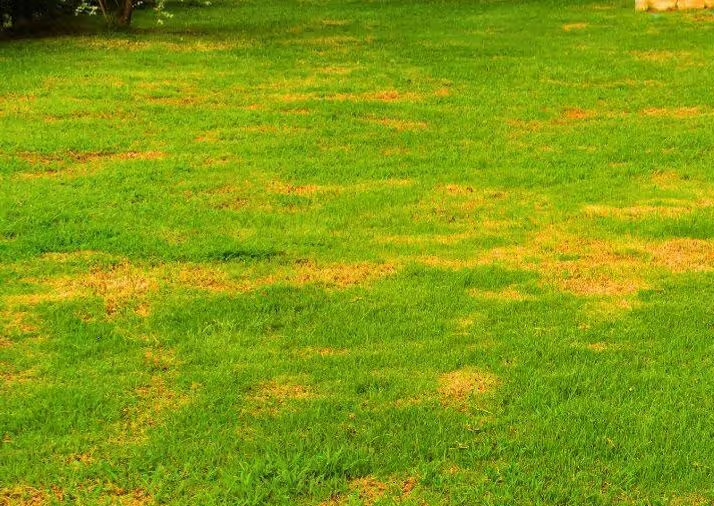
Why professional treatment makes a difference
Weak grass growth can be difficult to diagnose because the symptoms can look similar, even when the causes are different.
A lawn that appears thin or uneven may be affected by compaction, poor soil structure, drainage issues, nutrient imbalance or environmental factors such as shade.
Treating the wrong issue can lead to disappointing results.
A professional lawn survey helps identify what is actually happening beneath the surface. Instead of guessing, the lawn is assessed properly so the right treatment plan can be applied.
Professional aeration improves soil structure and supports stronger root development. Overseeding restores density where the lawn has become thin. Seasonal treatments ensure the lawn receives the nutrients it needs at the right time of year.
This approach focuses on improving the lawn as a whole, rather than applying quick fixes that only deliver short-term results.
Over time, this leads to stronger growth, better recovery and a lawn that is more resilient.
Moving towards a stronger, healthier lawn
If your lawn struggles to grow or never seems to reach its full potential, there is usually a reason beneath the surface.
The good news is that most lawns with weak growth can be improved with the right approach. By improving soil conditions, restoring grass coverage and supporting healthy growth, the lawn can become thicker, stronger and more consistent.
If the same areas keep struggling despite your efforts, it may be time to look beyond surface treatments.
A professional lawn survey can help identify what is holding your lawn back and give you a clear plan to help it grow properly again.














 Made with love by: